
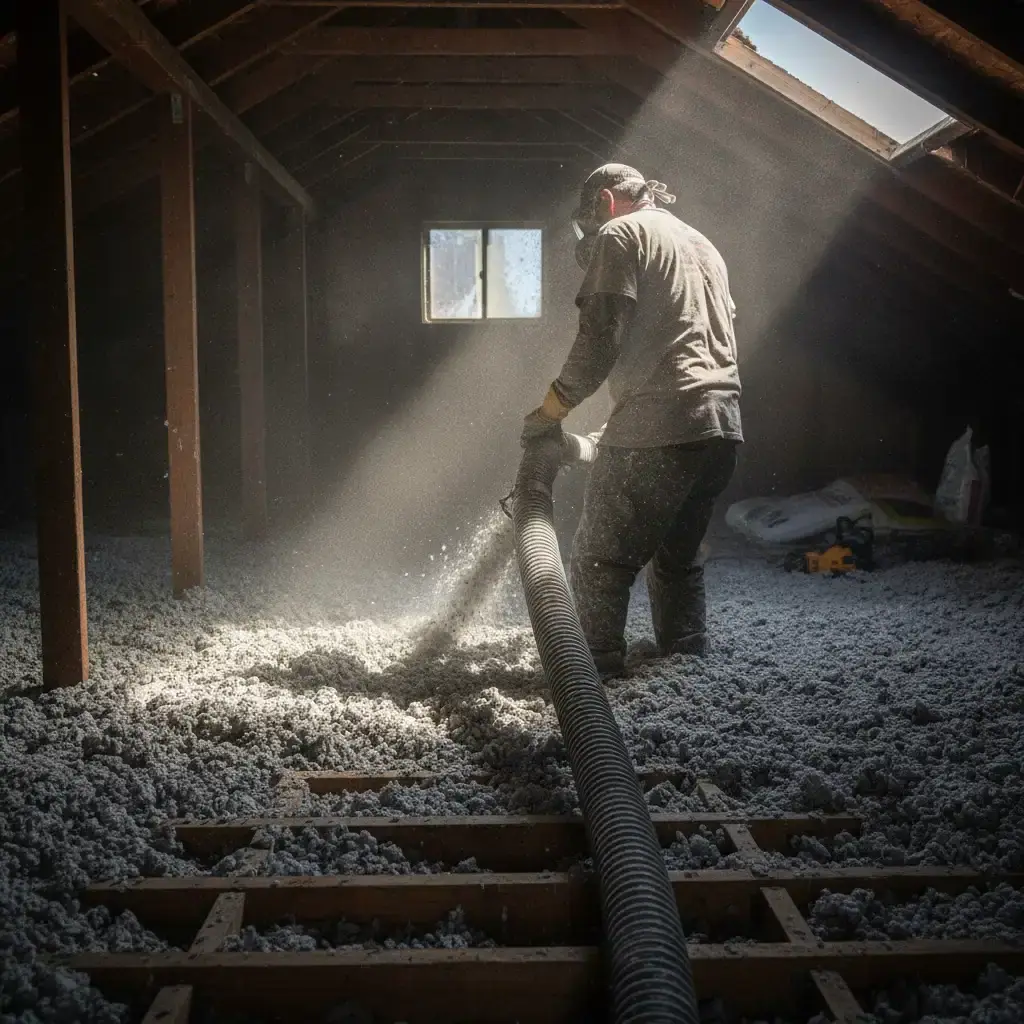
Blown-In Attic Insulation in Anaheim, CA
Energy-Saving Blown-In Attic Insulation for Anaheim, CA Homes — Licensed & Insured
Expert blown-in attic insulation in Anaheim, CA. Meet CA Title 24 R-49 standards, cut SCE bills & improve comfort. Free quote — call (858) 927-1082 today!
Blown-in attic insulation is a high-performance insulation method that uses specialized equipment to distribute loose-fill material — typically cellulose or fiberglass — evenly across your attic floor, filling gaps, crevices, and hard-to-reach corners that traditional batt insulation simply cannot cover. At Climate Guard Attic Insulation, we deliver expert blown-in attic insulation services tailored specifically to Anaheim’s unique climate and housing stock.
Anaheim’s position in the inland edge of Orange County exposes homes to intense summer heat radiating off the Santa Ana freeway corridor, dry desert winds from the east, and mild but humidity-variable winters. These conditions make a well-insulated attic not a luxury — but a necessity. Whether you own a post-war ranch home near Anaheim Hills or a mid-century tract house in West Anaheim, Climate Guard brings the local knowledge, professional-grade equipment, and meticulous installation technique required to protect your home and dramatically reduce your energy bills year-round.
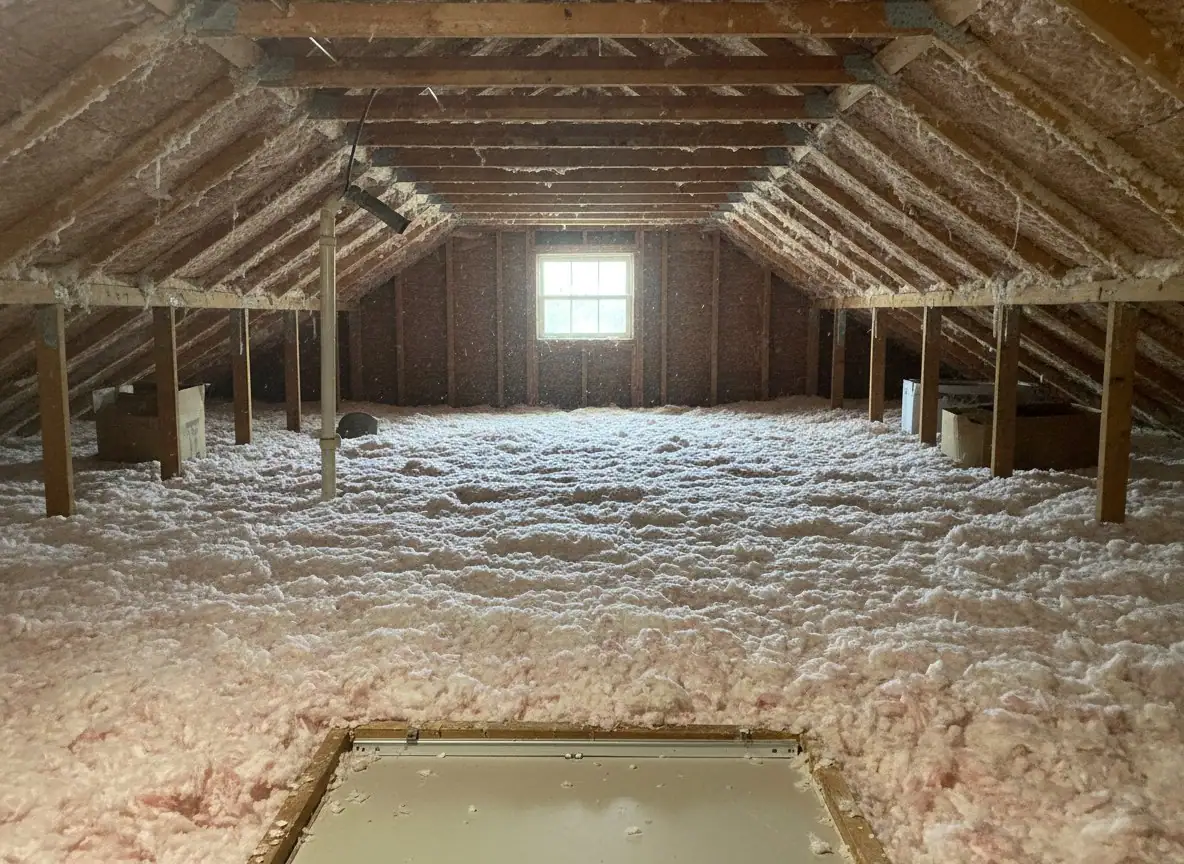
Understanding Blown-In Attic Insulation
Blown-in attic insulation — also called loose-fill insulation — has been used in American residential construction since the mid-20th century, but the materials and techniques have evolved dramatically. The process involves using a blowing machine to propel loose insulating material through a large hose into the attic cavity. The result is a seamless, uniform blanket of insulation that conforms to every beam, joist, and obstruction present in the attic space.
Two primary materials dominate the Anaheim market:
- Cellulose: Made from 75–85% recycled paper content and treated with fire-retardant borate compounds, cellulose is an environmentally friendly option with excellent thermal and sound-dampening properties. It achieves an R-value of approximately R-3.2 to R-3.8 per inch, making it a preferred choice for homes throughout Orange County where energy performance standards continue to rise.
- Fiberglass loose-fill: Composed of fine spun-glass fibers, this material achieves R-2.2 to R-2.7 per inch and is highly resistant to moisture absorption — an important consideration in neighborhoods closer to the coast or near Anaheim’s Anaheim Resort District, where microclimates can introduce humidity fluctuations.
Read moreShow less
California’s Title 24 Building Energy Efficiency Standards require attic insulation in most Orange County climate zones (Climate Zone 8 and 10, which affect Anaheim) to meet a minimum of R-38 for existing homes and R-49 for new construction. Many older Anaheim properties — particularly those built before 1980 in neighborhoods like Westmont and Citron — fall well below these thresholds, operating with as little as R-11 to R-19 of degraded, compressed batt insulation.
Blown-in insulation is uniquely effective at retrofitting these older structures because it does not require the removal of drywall or structural modification. A technician can add depth over existing material or apply it to a bare attic deck, bringing the home up to code compliance and significantly improving thermal performance — all within a single workday in most cases.
For homes with irregular joist spacing, knee walls, or complex roof geometries — all common in Anaheim’s eclectic residential building stock — blown-in insulation outperforms rigid or batt alternatives because the loose-fill material flows naturally around every obstacle.
Why Blown-In Attic Insulation Is Needed in Anaheim, CA
Extreme Heat Loading from Anaheim’s Inland Position
Unlike coastal cities in Orange County such as Newport Beach or Huntington Beach, Anaheim sits approximately 10–15 miles inland, removing it from the moderating influence of the Pacific Ocean’s marine layer. Summer temperatures in Anaheim regularly reach 95°F to 105°F between June and September, with recorded peaks exceeding 110°F during major heat events. In September 2022, Anaheim recorded temperatures above 108°F during a record-breaking multi-day heat dome that strained Southern California’s electrical grid. Attics during these events can reach internal temperatures of 150°F to 160°F — and without adequate blown-in insulation at the recommended R-49 depth, that heat conducts directly into living spaces, overwhelming air conditioning systems and spiking utility bills.
Santa Ana Wind Events and Thermal Cycling
Anaheim is frequently in the direct path of Santa Ana wind events — hot, dry, fast-moving offshore winds that typically occur in October through February. These winds dramatically shift outdoor temperatures within hours, forcing rapid thermal cycling through attic structures. This repeated expansion and contraction physically degrades batt insulation, causing it to sag, compress, and separate from framing members. Blown-in insulation, by contrast, maintains contact across the entire attic floor regardless of thermal movement, preserving its R-value even after years of Santa Ana seasons.
Aging Housing Stock in Key Anaheim Neighborhoods
A significant portion of Anaheim’s residential properties were built between 1945 and 1975 during the city’s rapid postwar expansion — particularly in neighborhoods like West Anaheim, the Rancho La Palma tract near Ball Road, and the Colony District near downtown. Homes from this era were constructed under building codes that required little to no attic insulation. The California Energy Commission estimates that approximately 30–40% of existing pre-1980 homes in Orange County Climate Zone 8 — which includes most of western Anaheim — have attic insulation performing below R-19. This represents an enormous opportunity for energy savings and comfort improvement through modern blown-in installation.
Pest Activity and Insulation Contamination
Anaheim’s warm climate is hospitable to rodents, particularly roof rats, which have been documented throughout Orange County’s residential corridors. The Orange County Vector Control District regularly reports elevated roof rat activity in older tree-canopied neighborhoods including the Anaheim Colony Historic District. Rodents nest in and contaminate fiberglass batt insulation, compressing it and introducing waste products that eliminate its thermal performance. Blown-in cellulose, treated with borate compounds, is naturally resistant to rodent nesting — making it a smart replacement choice after a confirmed pest infestation and professional removal.
SCE Energy Cost Pressure
Anaheim is served primarily by Southern California Edison (SCE), whose residential electricity rates have increased by over 30% since 2019. The average Anaheim household spends an estimated $180–$240 per month on electricity during peak summer months. Properly installed blown-in attic insulation at R-49 depth can reduce cooling energy consumption by 15–25%, translating to measurable annual savings that often recoup installation costs within three to five years.
Free, no-obligation estimates
Talk to Climate Guard Attic Insulation
Tell us what you need and we’ll take it from there.
Signs You Need Blown-In Attic Insulation in Anaheim
Energy and Comfort Warning Signs
- Monthly SCE electricity bills that spike above $200 during Anaheim’s June–September heat season without a change in household behavior
- Rooms on the top floor consistently 5°F or more warmer than lower-level rooms during afternoon hours
- Air conditioning running continuously during the day without reaching the thermostat setpoint
- Noticeable drafts or cold spots near ceiling fixtures during winter months
Visible Attic Conditions
- Existing insulation depth below 10 inches (R-38 minimum requires approximately 10–13 inches of blown cellulose)
- Visible attic floor joists above the insulation surface — a clear sign of severe under-insulation
- Compressed, matted, or discolored batt insulation, particularly common in Anaheim homes over 30 years old
- Rodent droppings, tunneling, or nesting material embedded in existing insulation
- Water staining or moisture damage indicating past roof leaks that have compromised insulation integrity
Urgency Indicators
- Your home was built before 1980 and has never had attic insulation upgraded
- A recent pest inspection identified active or past rodent activity in the attic
- A home energy audit identified attic heat gain as a primary efficiency gap
Our process
Our Blown-In Attic Insulation Process in Anaheim
Climate Guard follows a structured, multi-step installation process designed to maximize performance and minimize disruption to your Anaheim home.
- 01
Free In-Home Assessment (1–2 Hours)
Our technician visits your property, accesses the attic, and evaluates existing insulation depth, condition, and R-value. We identify any air sealing deficiencies, moisture issues, or pest damage. We also confirm your home’s California Title 24 climate zone cl
- 02
Removal of Damaged or Contaminated Material (2–4 Hours)
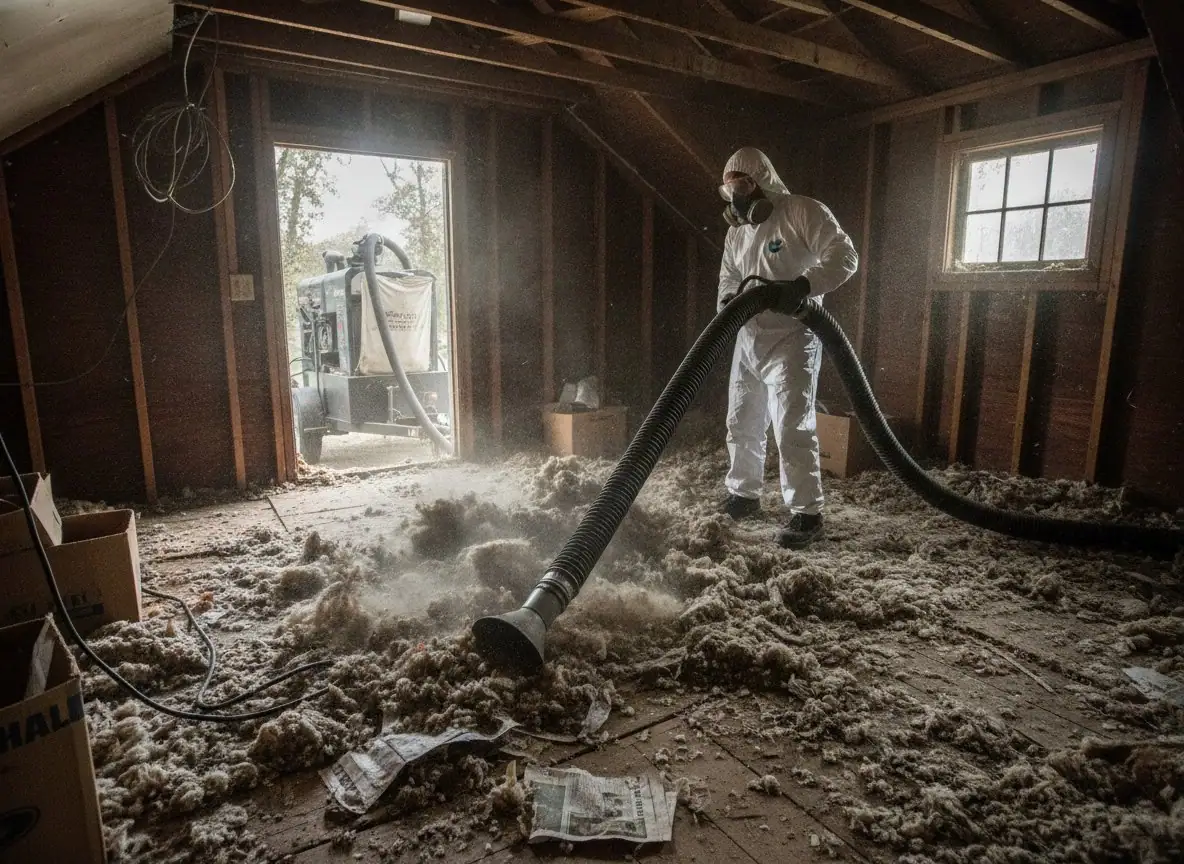
When existing insulation is contaminated by pests, mold, or moisture — a frequent condition in older West Anaheim and Colony District homes — we perform professional insulation removal before proceeding. This step protects indoor air quality and ensures the ne
- 03
Air Sealing (1–3 Hours)
Before installing blown-in material, we seal all attic bypasses — gaps around recessed lights, plumbing penetrations, HVAC boots, and top plates — using expanding spray foam and caulk. Air sealing is a critical step that significantly amplifies the performance
- 04
Installation of Blown-In Insulation (2–5 Hours)
Using commercial-grade blowing equipment, our trained technicians distribute loose-fill cellulose or fiberglass across the entire attic floor. We install depth markers at regular intervals and use laser measurement tools to ensure uniform coverage at the speci
- 05
Verification and Documentation (30–60 Minutes)
After installation, we conduct a depth check across multiple attic zones and photograph the completed work for your records. We provide a written report confirming installed R-value and material type, which is useful for utility rebate applications through SCE
- 06
Cleanup and Final Walk-Through (30 Minutes)
We remove all equipment and debris, seal the attic access point, and walk you through maintenance recommendations specific to your home’s construction type and neighborhood conditions. Total project timeline: Most Anaheim residential blown-in insulation instal
Blown-In Insulation Methods and Approaches
Open-Blow Cellulose Installation
The most common method for Anaheim attics with open, accessible floor plans. Loose cellulose is blown freely across the attic floor to the target depth. Ideal for ranch-style homes throughout West Anaheim and the Rancho La Palma area where attic access is unobstructed. This method achieves the most uniform coverage and is fastest to install.
Dense-Pack Blown-In for Enclosed Cavities
Used for wall cavities, sloped ceilings, or enclosed attic rafter bays — common in the custom hillside homes of Anaheim Hills and older craftsman-influenced structures near the Anaheim Colony Historic District. Material is blown at higher density (3.5–4 lbs per cubic foot) to prevent settling and eliminate air pockets. This approach also adds structural rigidity to the wall assembly.
Blown-In Batt (BIB) System
A hybrid approach where a netting is stapled across open framing cavities and cellulose or fiberglass is blown behind it at controlled density. Used frequently in new construction or during major renovation projects in Anaheim where open wall cavities are accessible during remodeling.
Combination: Blown-In Over Existing Batt
When existing batt insulation is structurally sound but simply insufficient in depth — a situation common in Anaheim homes from the 1980s and 1990s — we can blow cellulose or fiberglass directly on top of the existing material to bring the total assembly up to R-49. This cost-effective method avoids full removal and is appropriate when no contamination is present.
Blown-In Attic Insulation Cost in Anaheim, CA
Understanding the investment required for blown-in attic insulation in Anaheim helps homeowners plan effectively and evaluate their options.
Typical Price Ranges
- Basic blown-in installation (cellulose, open attic, up to 1,000 sq ft): $800 – $1,400
- Mid-range installation (1,000–2,000 sq ft attic with air sealing): $1,400 – $2,800
- Larger homes or complex attic geometry (2,000+ sq ft, Anaheim Hills custom homes): $2,800 – $5,500+
- Full removal and replacement (contaminated or rodent-damaged insulation): Add $1,000 – $2,500 depending on attic size and contamination level
Key Cost Factors in Anaheim
- Attic accessibility: Anaheim Hills homes with steep pitch rooflines and limited access hatches require additional labor time
- Existing insulation condition: Removal adds cost but is often necessary in pre-1980 Anaheim properties
- Target R-value: California Title 24 R-49 requires more material depth than older R-30 standards
- Material choice: Fiberglass loose-fill typically costs 10–15% more than cellulose per square foot in the Orange County market
- Air sealing scope: Older Colony District homes with extensive penetrations require more sealing labor
Read moreShow less
Available Rebates and Incentives
SCE customers in Anaheim may qualify for rebates through the Energy Upgrade California program and SCE’s residential energy efficiency incentives, which can offset $200–$600 of installation costs for qualifying upgrades. We provide all necessary documentation to support your rebate application. The federal Inflation Reduction Act also provides a 30% tax credit (up to $1,200) for qualifying insulation improvements — ask our team for details.
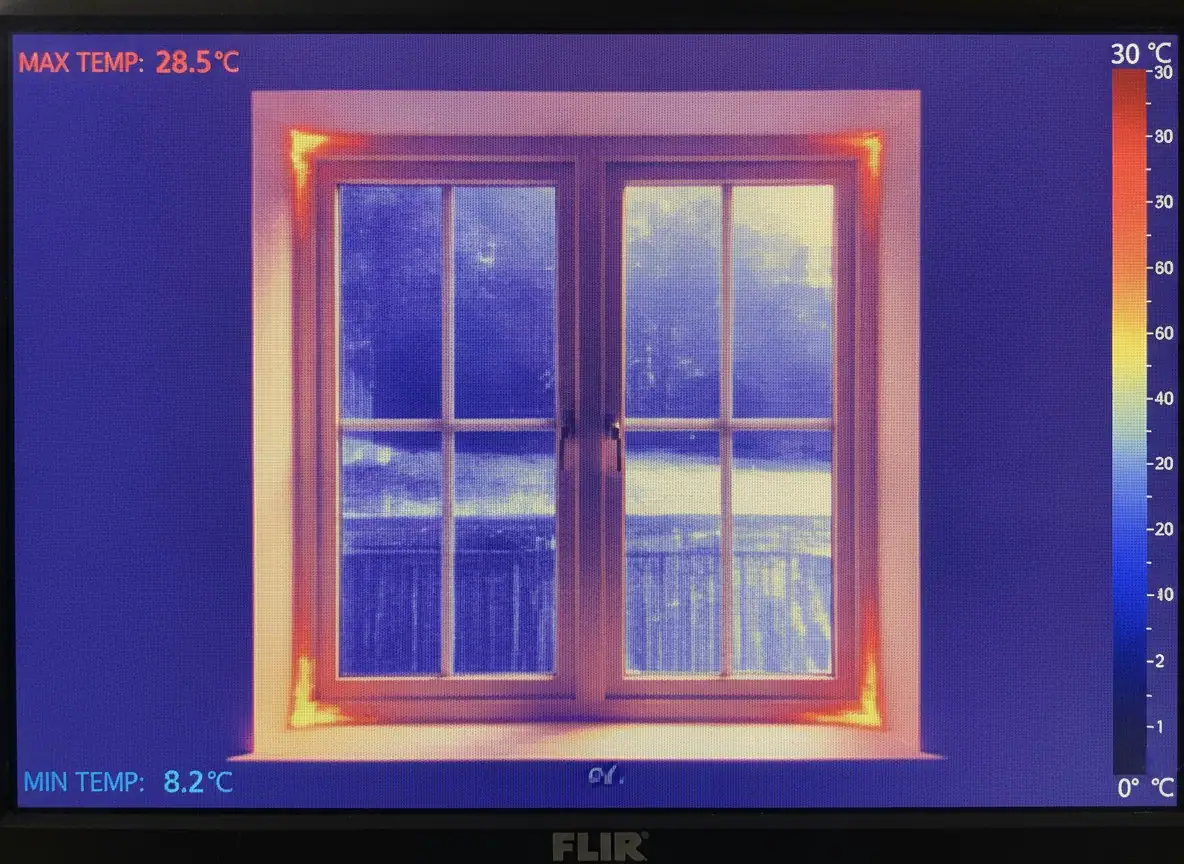
Anaheim Neighborhoods We Serve
West Anaheim
Home to dense concentrations of postwar tract homes built between 1945 and 1965, West Anaheim properties — particularly along Ball Road, Cerritos Avenue, and Magnolia Avenue corridors — frequently have original or heavily degraded batt insulation. The flat attic designs common in these single-story ranches are ideal candidates for cost-effective open-blow cellulose installation.
Anaheim Hills
This eastern Anaheim community, developed primarily from the 1970s through the 1990s, features larger custom and semi-custom homes with complex rooflines, vaulted ceilings, and multi-level attic configurations. These properties often span the Climate Zone 8/10 boundary and require careful R-value specification. Fire-resistant cellulose is particularly appropriate given the wildland-urban interface fire risk in this area.
The Colony District (Downtown Anaheim)
One of Anaheim’s oldest residential neighborhoods, the Colony Historic District contains craftsman bungalows and early California homes dating to the 1910s–1940s. These structures have complex attic configurations with limited accessibility and often contain asbestos-containing materials in older insulation layers that must be tested and properly handled before any new installation work begins.
Platinum Triangle / Stadium District
This rapidly redeveloping area near Angel Stadium includes both newer condominium towers and older single-family homes. Newer construction here must meet California’s current Title 24 standards, but older structures along State College Boulevard and Katella Avenue corridors often need full insulation upgrades.
Maintenance Tips for Blown-In Attic Insulation in Anaheim
- Annual attic inspection: Check insulation depth and condition every fall before Santa Ana wind season. Look for compressed or disturbed areas that may indicate pest activity.
- Seal attic access hatches: Install weatherstripping and an insulated cover on your attic access panel. Unsealed hatches are a major thermal bypass in Anaheim’s hot summers.
- Monitor for roof leaks after winter storms: Anaheim receives most of its annual rainfall (average 14 inches per year) between November and March. Inspect attic after significant rain events for water staining on the insulation surface.
- Control vegetation contact with the roofline: In tree-rich neighborhoods like Anaheim Hills and the Colony District, tree branches contacting the roof create rodent access points. Maintain a 6-inch clearance.
- Check attic ventilation annually: Proper soffit and ridge ventilation prevents moisture buildup that can degrade blown-in cellulose over time. Ensure vents are not blocked by insulation — depth markers installed by Climate Guard help prevent this.
- Don’t store heavy items on top of insulation: Walking across or placing objects on blown-in insulation compresses it and reduces R-value. Install attic flooring panels if storage access is needed.
- Schedule a re-inspection every 10–15 years: Even quality blown-in insulation can settle 5–10% over time, particularly in Anaheim’s thermally active environment. A top-off application restores performance at minimal cost.
Why Choose Climate Guard Attic Insulation in Anaheim
Climate Guard Attic Insulation is a dedicated insulation specialist serving Anaheim and the broader Orange County region. Our team has in-depth knowledge of Anaheim’s housing stock, from the aging ranch homes of West Anaheim to the hillside customs of Anaheim Hills, and we bring that local expertise to every project.
We specialize exclusively in insulation — meaning every technician on your job is trained specifically in blown-in installation, air sealing, and insulation performance, not dividing their skills across general contracting work. We use only commercial-grade blowing equipment and premium-quality materials calibrated for Southern California’s climate demands.
Our service portfolio covers the full spectrum of home insulation needs, including spray foam insulation, crawl space encapsulation, crawl space insulation, and insulation replacement — making us a single-source solution for whole-home thermal performance in Anaheim.
We provide detailed written quotes, transparent pricing, and documentation to support SCE and state rebate applications. Call us at (858) 927-1082 to schedule your free Anaheim attic assessment today.
FAQ
Frequently Asked Questions: Blown-In Attic Insulation in Anaheim, CA
How much does blown-in attic insulation cost in Anaheim, CA?
Costs in Anaheim typically range from $800 for smaller, straightforward attics up to $5,500 or more for large Anaheim Hills custom homes requiring removal, air sealing, and full installation. Most standard Anaheim single-family homes (1,200–1,800 sq ft attic) fall in the $1,400–$2,800 range including air sealing. SCE rebates and federal tax credits can reduce your net out-of-pocket cost by several hundred dollars.
What R-value do I need for blown-in insulation in Anaheim?
Anaheim falls within California Climate Zones 8 and 10 depending on location within the city. California Title 24 requires a minimum of R-38 for existing homes and R-49 for new construction in these zones. Climate Guard recommends R-49 for all Anaheim homes to maximize energy savings given the city’s intense summer heat loading and increasing SCE electricity rates.
How long does blown-in attic insulation installation take in Anaheim?
Most Anaheim residential projects are completed in a single day. Simple installations on homes under 1,500 sq ft with accessible, unobstructed attics typically take 4–6 hours. Projects requiring full insulation removal — common in pre-1980 Colony District and West Anaheim homes — may extend to a full two-day project.
Is blown-in insulation better than batt insulation for Anaheim homes?
For most Anaheim attics — particularly in older homes with irregular joist spacing, existing penetrations, or prior pest activity — blown-in insulation significantly outperforms batt insulation. It fills every gap and crevice without cutting, fitting, or stapling, achieving more uniform thermal coverage. In Anaheim’s climate, where attic temperatures regularly exceed 150°F in summer, eliminating thermal bypass gaps through blown-in installation makes a measurable difference in cooling costs.
Can blown-in insulation be installed over my existing insulation?
Yes — when your existing insulation is structurally sound and free from pest contamination, moisture damage, or mold, we can blow new cellulose or fiberglass directly over it to achieve the target R-value. This is a common and cost-effective approach for Anaheim homes from the 1980s and 1990s that have some insulation but fall below current Title 24 standards.
Does blown-in insulation help with noise reduction in Anaheim?
Yes. Cellulose blown-in insulation provides meaningful sound attenuation in addition to thermal benefits. For Anaheim homes located near the I-5, SR-57, or SR-91 freeway corridors — or within earshot of Disneyland’s nightly fireworks displays — blown-in cellulose in attic and wall cavities noticeably reduces airborne noise transmission into living spaces.
Do I need a permit to install blown-in attic insulation in Anaheim?
In most cases, adding blown-in insulation to an existing Anaheim attic does not require a building permit. However, if the project involves insulation removal, significant air sealing work combined with HVAC modifications, or work in a historically designated structure such as a Colony District property, permit requirements may apply. Climate Guard reviews permit requirements as part of every project assessment.
What areas near Anaheim does Climate Guard serve?
In addition to Anaheim, Climate Guard serves Santa Ana, Fullerton, Orange, Garden Grove, Brea, Buena Park, Costa Mesa, Cypress, La Palma, Stanton, Tustin, Villa Park, Westminster, and Yorba Linda throughout Orange County.
Get Your Free Blown-In Attic Insulation Quote in Anaheim Today
Don’t let another Anaheim summer pass with an under-insulated attic driving up your SCE bills and reducing your indoor comfort. Climate Guard Attic Insulation is ready to assess your home, recommend the right solution, and install blown-in insulation that meets California Title 24 standards — all at transparent, competitive pricing.
Whether you’re in West Anaheim, Anaheim Hills, the Colony District, or anywhere in between, our team is your local blown-in insulation specialist. We make it easy to get started with a no-obligation, free in-home assessment.
Call us now at (858) 927-1082 or contact us online to schedule your Anaheim attic insulation assessment. Comfortable, energy-efficient living starts at the top — let Climate Guard help you get there.
Get in touch
Find insulation help near you
Request a free estimate online or give us a call — our team will follow up quickly.
- Call us(858) 927-1082
- Visit1127 N Fountain Way, Anaheim, CA 92806
- HoursMon - Sun 07:00-19:00