

Blown-In Insulation Cost in Anaheim, CA
Transparent Blown-In Insulation Cost Pricing for Anaheim, CA Homeowners — Free Estimates
Discover blown-in insulation costs in Anaheim, CA. Climate Guard offers free estimates, R-38 attic upgrades, and utility rebate help. Call (858) 927-1082 today.
Blown-in insulation is one of the most effective and affordable ways to improve your home’s energy efficiency by filling wall cavities, attic floors, and hard-to-reach spaces with loose-fill material that creates a seamless thermal barrier. At Climate Guard Attic Insulation, we specialize in delivering precision-installed blown-in insulation solutions tailored to the unique demands of Anaheim, California homes.
Anaheim’s warm Mediterranean climate, with summer highs regularly exceeding 95°F in inland zones near the Anaheim Hills, means your home’s insulation works harder than in most U.S. cities. Older neighborhoods like West Anaheim and the Platinum Triangle area contain housing stock from the 1950s and 1960s that was built before modern energy codes existed, leaving countless attics dramatically under-insulated by today’s standards.
Read moreShow less
Our team brings hands-on expertise in blown-in insulation installation across all of Orange County, and we understand exactly what local building types, permit requirements, and climate conditions demand. Call us today at (858) 927-1082 for a free on-site estimate.
Understanding Blown-In Insulation in Anaheim
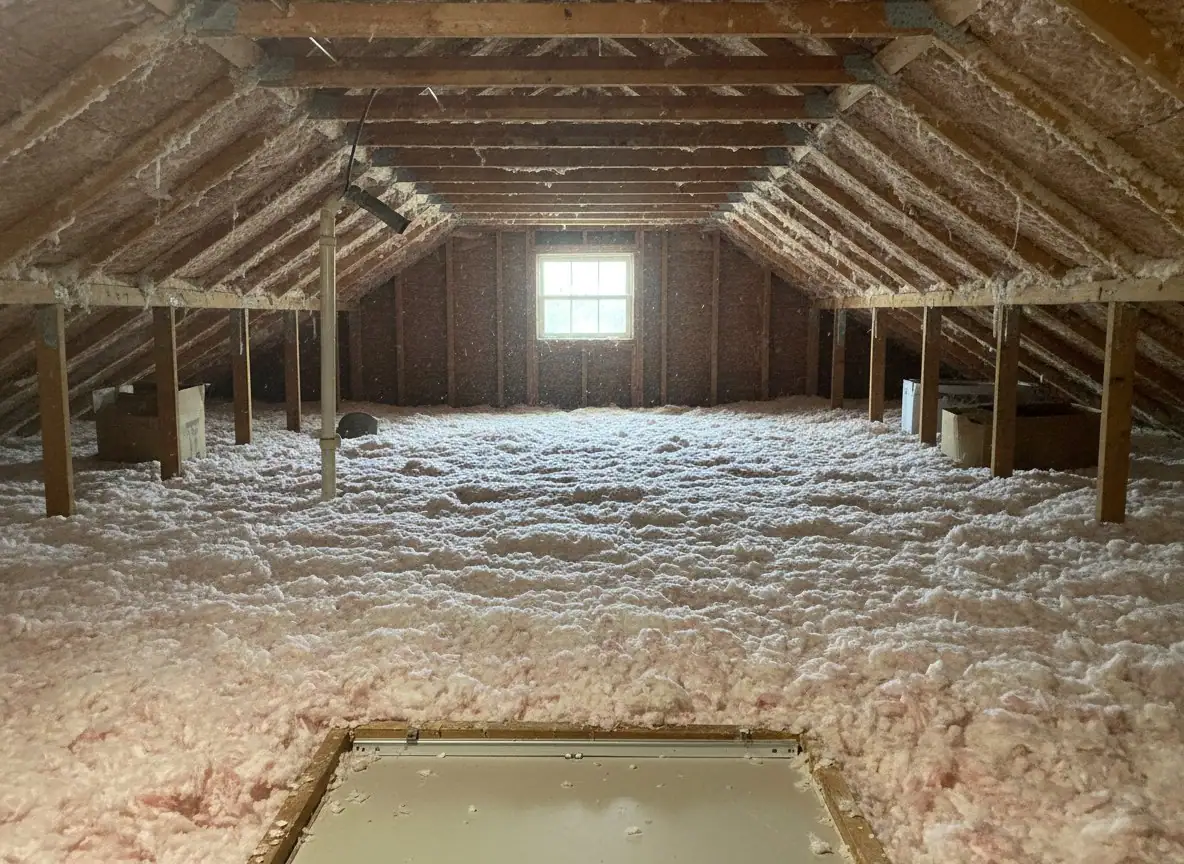
Blown-in insulation — also called loose-fill insulation — is installed by blowing or spraying loose fibers or pellets into attic spaces, wall cavities, and enclosed building areas using specialized pneumatic equipment. The two most common materials are cellulose (made from recycled paper products) and fiberglass, each offering distinct R-value characteristics and moisture-resistance profiles.
Historically, California’s Title 24 Building Energy Efficiency Standards, first adopted in 1978 following the 1973 energy crisis, introduced minimum insulation requirements for new construction. However, thousands of Anaheim homes built before that year — particularly the post-World War II tract developments around West Center Street and the Disneyland Resort corridor — were never retrofitted to meet these codes. By the time California updated Title 24 again in 2019 to require R-38 minimums in attics for Climate Zone 8 (which covers Anaheim), many older homes still sat at R-11 or lower.
Read moreShow less
Blown-in insulation became the preferred retrofit solution precisely because it does not require demolishing existing drywall or framing. A single technician can add 12 to 15 inches of cellulose or fiberglass to an attic floor in a single day, bringing a home from the outdated R-11 range up to or beyond the R-38 benchmark required by current California standards.
In Anaheim, the prevalence of single-story ranch homes (built between 1948 and 1972) in neighborhoods like Sunkist and South Anaheim makes blown-in the ideal upgrade path. These homes feature low-slope attics with joists that are easy to access through a standard attic hatch. Multi-family buildings along Brookhurst Street and Lincoln Avenue — many constructed during the 1960s apartment boom — also benefit enormously from blown-in insulation in shared wall and ceiling assemblies, where energy costs are disproportionately high.
Whether your property is a mid-century ranch, a newer Anaheim Hills two-story, or a commercial mixed-use building near the ARTIC transit center, blown-in insulation provides a cost-effective, minimally disruptive path to meaningful energy savings and year-round comfort.
Why Blown-In Insulation Is Needed in Anaheim, CA
Anaheim sits within NOAA Climate Zone 8, a designation that reflects a coastal-influenced but increasingly heat-stressed environment. The city’s western flatlands near Katella Avenue experience average summer temperatures of 88–92°F, while the Anaheim Hills in the east regularly record highs of 97–105°F during heat events. This temperature differential matters enormously for insulation because an attic without adequate insulation can reach interior temperatures of 150°F or higher on a hot July afternoon — effectively turning your ceiling into a radiant heating element.
Santa Ana Wind Events: Anaheim is directly in the path of the notorious Santa Ana winds, which arrive primarily between October and February. During the October 2017 canyon fire complex and again during the January 2021 Santa Ana wind events, homes across Anaheim Hills reported wind infiltration that dramatically increased heating loads. Poor attic air sealing combined with under-insulated spaces allows these dry, sometimes 60 mph winds to drive conditioned air out and force unconditioned air in, spiking utility bills overnight. Blown-in cellulose, when paired with air sealing, reduces wind-driven infiltration by filling every gap in the attic floor assembly.
Read moreShow less
Heat Island Effect in West and Central Anaheim: The dense commercial and residential development along Harbor Boulevard, Ball Road, and Euclid Street contributes to a measurable urban heat island effect. Studies of Southern California urban areas show surface temperatures in high-asphalt-density zones running 6–8°F hotter than surrounding suburban areas. Homes in neighborhoods like Twila Reid and Ponderosa Park — where street trees are scarce and rooftop solar is uncommon — face amplified cooling demands that only proper insulation can offset.
Aging Housing Stock in West Anaheim: A significant portion of homes in West Anaheim (ZIP codes 92801 and 92802) were constructed between 1952 and 1968. Industry surveys suggest that approximately 60% of California homes built before 1970 have attic insulation that rates below R-19 — less than half of what Title 24 currently mandates. Many of these properties have never had an insulation upgrade, meaning families are spending an estimated $400–$700 more per year on energy than they would with a properly insulated attic.
Wildfire Smoke and Air Quality Events: Anaheim’s proximity to wildland-urban interface areas — particularly through the Anaheim Hills bordering the Weir Canyon and Irvine Regional Park corridors — means air quality events are a recurring challenge. HVAC systems in poorly insulated homes run longer cycles, drawing more outside air (and potential smoke particulates) through gaps in the building envelope. A properly dense blown-in insulation layer significantly reduces this air exchange and helps maintain indoor air quality during AQI alert days.
Title 24 Compliance for Home Sales and Remodels: California law increasingly requires insulation upgrades at the point of sale or when major HVAC or roofing work is performed. Anaheim homeowners undertaking permitted roof replacements or HVAC changeouts are now routinely flagged by city inspectors for attic insulation compliance, making a blown-in upgrade not just beneficial but sometimes legally required.
Free, no-obligation estimates
Talk to Climate Guard Attic Insulation
Tell us what you need and we’ll take it from there.
Signs You Need Blown-In Insulation in Your Anaheim Home
Energy and Comfort Symptoms
- Monthly electricity bills exceeding $180–$220 during summer months without clear explanation
- Rooms near the roofline — especially second-floor bedrooms in Anaheim Hills two-stories — that feel 8–12°F hotter than the rest of the house
- Air conditioning running continuously during afternoons without reaching the thermostat set point
- Cold drafts near ceiling edges during Santa Ana wind events in winter months
Visual Inspection Indicators
- Attic insulation that is flat, compressed, or visibly thinner than 10–12 inches
- Bare wood joists visible across the attic floor — a clear sign that existing insulation has settled below functional levels
- Yellow fiberglass batts that are stained, moisture-damaged, or missing from sections of the attic floor
- Ice-like mineral deposits or staining on attic sheathing (rare in Anaheim but possible during El Niño rain years)
Age-Based Urgency Triggers
- Home built before 1978 with no documented insulation upgrade
- Any Anaheim property preparing for a roof replacement, HVAC replacement, or permitted addition
- Rental properties in the process of complying with California’s SB 1919 or local Anaheim rental housing inspection requirements
Our process
Our Blown-In Insulation Installation Process in Anaheim
- 01
Free On-Site Assessment (1–2 Hours)
A Climate Guard technician visits your Anaheim property, accesses the attic space, and uses a calibrated depth gauge to measure existing insulation levels at multiple points. We document current R-value, note air leakage pathways, and check for moisture or rod
- 02
Scope Development and Material Selection (Same Day)
Based on our findings, we calculate the exact quantity of cellulose or fiberglass needed to bring your attic to R-38 (or higher if you prefer R-49 for maximum savings). We account for Anaheim’s specific heat gain profile and recommend cellulose for most older
- 03
Attic Preparation and Air Sealing (2–4 Hours)
Before any insulation is blown in, we seal attic bypasses — gaps around recessed lights, plumbing penetrations, HVAC chases, and top plates — using expanding foam and fire-rated caulk. This step is especially critical in Anaheim homes with older electrical sys
- 04
Depth Marker Installation (30 Minutes)
We install industry-standard depth rulers across the attic floor at regular intervals so that the blown-in material is applied evenly and reaches the calculated depth for your target R-value.
- 05
Blown-In Installation (2–4 Hours Depending on Home Size)
Our pneumatic blowing equipment is staged outside the home. One technician manages the machine and material feed while another directs the hose from inside the attic. A typical 1,800–2,200 sq ft Anaheim single-story home is completed in under half a day.
- 06
Final Depth and R-Value Verification (30 Minutes)
After blowing is complete, we walk the attic and verify depth at all marker locations, photograph the finished installation, and provide you with a written certificate of completion documenting the installed R-value — which you will need for Title 24 complianc
- 07
Cleanup and Client Walk-Through (30 Minutes)
We clear all equipment, vacuum any loose material near the attic hatch, and walk you through what was installed and what maintenance steps to take going forward.
Blown-In Insulation Methods We Use in Anaheim
Loose-Fill Cellulose Attic Blanket
The most common method for Anaheim attic retrofits. Recycled cellulose is blown freely across the attic floor to a depth of 12–15 inches, achieving R-38 to R-49. Preferred for pre-1980 homes in West Anaheim and South Anaheim due to its fire-retardant borate treatment and superior air infiltration resistance — important given Anaheim’s wildfire proximity.
Dense-Pack Wall Insulation
Used in older Anaheim homes where wall cavities were left empty during original construction. Small holes are drilled in the exterior or interior wall surface, and cellulose or fiberglass is blown in at high density (3.5 lbs/cubic foot) to prevent future settling. Commonly applied to 1950s-era homes in the Sunkist neighborhood and along Euclid Avenue.
Fiberglass Blown-In (Attic Application)
An alternative to cellulose for attics with existing moisture concerns or homes where the owner prefers an inorganic material. Fiberglass blown-in is used in Anaheim Hills properties where canyon-facing attics have experienced intermittent condensation during winter fog events.
Hybrid Blown-In Over Existing Batts
In many Anaheim homes, existing fiberglass batt insulation is still structurally intact but simply too thin. We blow a cellulose top layer directly over existing batts, adding R-value without removing functional material — a cost-efficient approach that reduces project time and material disposal costs.
Blow-In-Blanket (BIBS) System for New Construction
For new builds or major additions in Anaheim, we offer the BIBS system, which uses a fabric net stapled to studs before drywall installation, then fills the entire cavity with dense fiberglass — achieving R-15 in a standard 2×4 wall and R-23 in a 2×6 wall with no voids or gaps.
Blown-In Insulation Cost in Anaheim, CA
Understanding blown-in insulation cost in Anaheim is essential before you request quotes. Pricing depends on several key variables, and Anaheim’s specific labor market and material supply chain create a cost environment slightly higher than national averages.
Typical Price Ranges for Anaheim Homeowners:
- Attic blown-in (cellulose or fiberglass), 1,000–1,500 sq ft: $900–$1,600
- Attic blown-in, 1,500–2,500 sq ft: $1,500–$2,800
- Attic blown-in, 2,500–3,500 sq ft (Anaheim Hills larger homes): $2,600–$4,200
- Dense-pack wall insulation per linear foot: $3.50–$6.00
- Air sealing add-on (highly recommended): $300–$700 depending on attic complexity
Factors That Affect Your Anaheim Quote:
- Current R-value — homes starting at R-0 (no insulation) require more material than those topping up from R-19
- Attic accessibility — low-pitch roofs common in 1960s West Anaheim ranch homes increase labor time
- Insulation removal — if existing damaged insulation must be removed first, add $1.00–$2.00 per sq ft
- Permit requirements — Anaheim Building Division permits for insulation work typically cost $75–$150
Read moreShow less
Southern California Edison and SoCalGas both offer rebate programs for Anaheim homeowners who upgrade to R-30 or higher attic insulation. Rebates typically range from $0.10 to $0.25 per square foot, potentially offsetting $150–$400 of your total project cost. We help all clients identify and apply for applicable utility rebates.
For a precise blown-in insulation cost estimate for your Anaheim home, call us at (858) 927-1082 or schedule a free on-site assessment.
Anaheim Neighborhoods We Serve
West Anaheim (ZIP 92801 / 92802)
Home to dense post-war residential development built primarily between 1950 and 1968, West Anaheim properties near Brookhurst Street and Ball Road commonly feature zero or sub-R-11 attic insulation. The proximity to the Disneyland Resort creates higher-than-average cooling demands in summer. Our blown-in cellulose upgrades here consistently reduce cooling bills by 20–30% in the first full summer season.
Anaheim Hills (ZIP 92807 / 92808)
Anaheim Hills contains Anaheim’s most recent and most varied housing stock, with tract homes from the 1970s through luxury custom builds from the 2000s. Steep-pitched tile roofs and larger square footage mean higher insulation volumes. Canyon-facing exposures increase wildfire ember risk, making our fire-retardant cellulose product the preferred choice here.
Platinum Triangle / Center City (ZIP 92805)
The Platinum Triangle area along Katella Avenue and State College Boulevard includes older apartment complexes and newer mixed-use buildings. Multi-unit buildings here benefit from blown-in insulation in shared ceiling assemblies to reduce inter-unit thermal transfer and noise transmission. We are experienced with HOA coordination and permit processes specific to this district.
Sunkist and South Anaheim (ZIP 92804)
South Anaheim contains a mix of 1950s single-story ranch homes and 1980s two-story developments near the 5 Freeway corridor. We serve this area extensively and are familiar with the common challenge of inadequate soffit ventilation that accompanies low-slope attic designs — an issue we address during our attic preparation phase.
Maintenance Tips to Maximize Blown-In Insulation Performance in Anaheim
- Inspect attic depth annually: Use a flashlight and ruler each fall before Santa Ana wind season to confirm blown-in material hasn’t settled below 10 inches — a sign that topping-up may be needed.
- Keep attic vents clear: Anaheim’s abundant tree pollen in spring (particularly from Eucalyptus and Pepper trees) can clog soffit vents, trapping heat that degrades insulation material faster over time.
- Check for rodent intrusion after wildfire seasons: Displacement events from Anaheim Hills canyon fires historically drive rodents into attic spaces where they nest in and compress blown-in material.
- Maintain roof integrity: Even small roof leaks can saturate cellulose insulation, dramatically reducing R-value and creating mold risk. Inspect flashing and valleys after each significant rain event.
- Do not store items on blown-in attic insulation: Placing boxes or equipment directly on loose-fill compresses and reduces its insulating capacity.
- Schedule an insulation check after any HVAC work: HVAC technicians working in attic spaces sometimes displace or compress insulation around ducts — have us inspect after any major HVAC service visit.
- Apply for utility rebates proactively: Southern California Edison’s rebate windows open annually — Anaheim homeowners who track these programs can partially fund future top-up treatments.
Why Choose Climate Guard Attic Insulation in Anaheim
Climate Guard Attic Insulation was built specifically to serve Orange County homeowners who are navigating California’s increasingly stringent Title 24 energy requirements and rising utility costs. Our technicians are trained in Anaheim-specific building conditions, including the unique challenges of pre-1970 housing stock, the thermal demands of Anaheim Hills canyon exposures, and the permitting protocols of the Anaheim Building Division.
We offer free, no-pressure on-site assessments where we measure your actual existing insulation levels — not estimates — and provide transparent, itemized quotes with no hidden fees. We carry full liability insurance, and our workmanship reflects pride in a community we actively serve across all of Orange County.
Read moreShow less
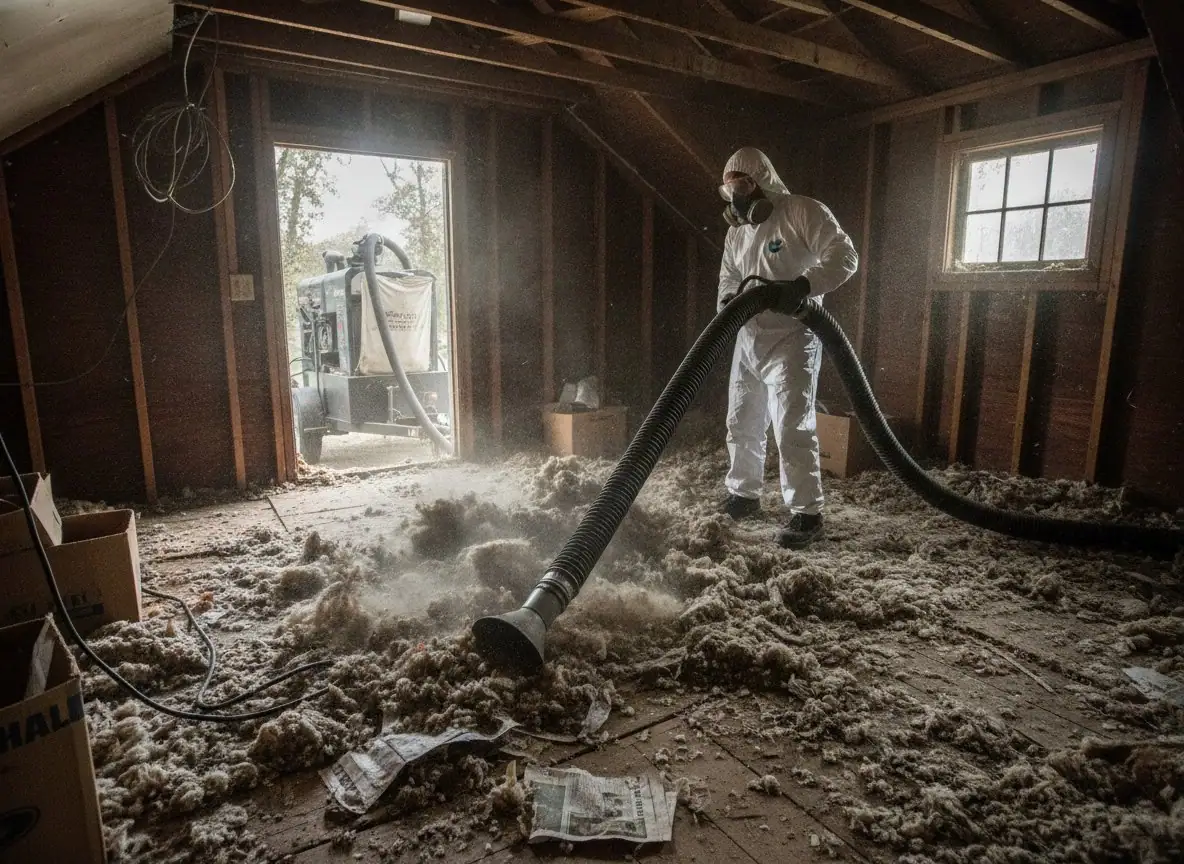
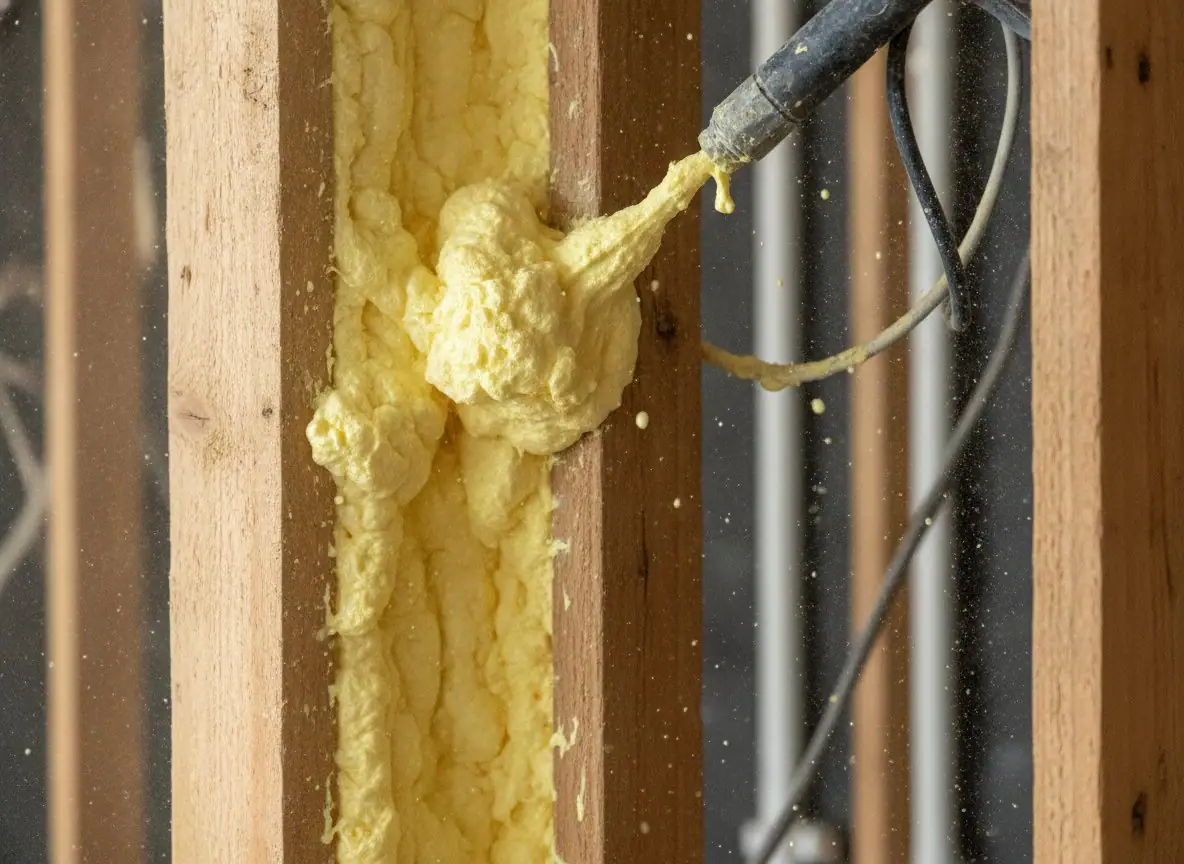
Our service doesn’t end at blown-in insulation. We offer a comprehensive range of insulation services including spray foam insulation, attic insulation, crawl space encapsulation, crawl space insulation, insulation removal, and insulation replacement — giving you a single trusted partner for all your home performance needs in Anaheim and the surrounding communities.
Call (858) 927-1082 today to speak directly with a local insulation expert.
FAQ
Frequently Asked Questions About Blown-In Insulation Cost in Anaheim
How much does blown-in insulation cost for an average Anaheim home?
For a typical 1,800–2,200 sq ft single-story Anaheim home with an uninsulated or under-insulated attic, blown-in insulation installation generally costs between $1,500 and $2,500 including material, labor, and basic air sealing. Homes in Anaheim Hills with larger attic footprints or complex rooflines may run $3,000–$4,200. We provide exact pricing after a free on-site measurement visit.
Is blown-in insulation or batt insulation better for Anaheim homes?
For retrofit applications — which describes the majority of Anaheim’s pre-1980 housing stock — blown-in insulation is significantly better. It fills irregular joist bays, wraps around obstructions, and provides superior air sealing compared to cut-and-fit batt installations. Batt insulation is more appropriate for new construction where cavities are open and uniform.
How long does blown-in insulation installation take in Anaheim?
Most Anaheim single-family homes can be fully insulated in one day. The assessment and air sealing preparation take 2–4 hours in the morning, and the actual blown-in installation takes 2–4 additional hours depending on attic size. We are typically off your property before late afternoon.
Will blown-in insulation help with Anaheim’s Santa Ana wind season?
Yes, significantly. When combined with attic air sealing — which we include in all projects — blown-in insulation dramatically reduces wind-driven air infiltration through the attic floor assembly. Anaheim homeowners in exposed hillside locations near Anaheim Hills consistently report reduced drafts and more stable indoor temperatures during October–February Santa Ana wind events after blown-in upgrades.
Are there rebates available for blown-in insulation in Anaheim, CA?
Yes. Southern California Edison offers rebates for Anaheim homeowners who upgrade attic insulation to R-30 or higher. SoCalGas also has heating-related efficiency incentives. The federal 25C Energy Efficient Home Improvement Tax Credit allows homeowners to claim 30% of insulation project costs (up to $1,200 per year). We assist all clients with identifying applicable programs before their project begins.
Do I need a permit for blown-in insulation in Anaheim?
Anaheim Building Division permit requirements for insulation depend on project scope. Simple attic top-ups often do not require a permit, but projects involving significant attic work, insulation removal, or work associated with a roofing or HVAC permit may trigger insulation compliance review. We navigate these requirements for every project and can pull necessary permits on your behalf.
How long does blown-in insulation last in Southern California’s climate?
Quality cellulose or fiberglass blown-in insulation has a functional lifespan of 20–30 years under normal conditions in Anaheim’s climate. Factors that can shorten lifespan include roof leaks, rodent activity (more common near Anaheim Hills interface areas), and HVAC disturbance. Annual visual inspection and prompt attention to water intrusion are the most important longevity factors.
Can you install blown-in insulation over my existing insulation?
In most cases, yes. If your existing insulation is dry, pest-free, and structurally intact — simply insufficient in depth — we can blow new material directly over it. This hybrid approach saves on removal costs and is common in Anaheim homes where the original fiberglass batts are still in good condition but only achieve R-11 or R-19 instead of the required R-38. If existing material is damaged, contaminated, or harboring pests, we recommend professional insulation removal first.
Get Your Free Blown-In Insulation Estimate in Anaheim Today
There is no reason to keep paying inflated electricity bills or tolerating uncomfortable rooms in your Anaheim home. Whether you live in West Anaheim’s post-war neighborhoods, the hillside communities of Anaheim Hills, or anywhere across Orange County, Climate Guard Attic Insulation is ready to assess your home and provide a transparent, no-obligation quote for blown-in insulation installation.
We serve Anaheim and all surrounding communities including Santa Ana, Fullerton, Garden Grove, Orange, Brea, Yorba Linda, Tustin, Costa Mesa, Westminster, Buena Park, Cypress, La Palma, Stanton, and Villa Park.
Call us now at (858) 927-1082 to speak with an Anaheim insulation specialist, or submit a contact form and we will reach out within one business day to schedule your free on-site measurement. Take control of your energy costs — starting today.
Get in touch
Find insulation help near you
Request a free estimate online or give us a call — our team will follow up quickly.
- Call us(858) 927-1082
- Visit1127 N Fountain Way, Anaheim, CA 92806
- HoursMon - Sun 07:00-19:00