
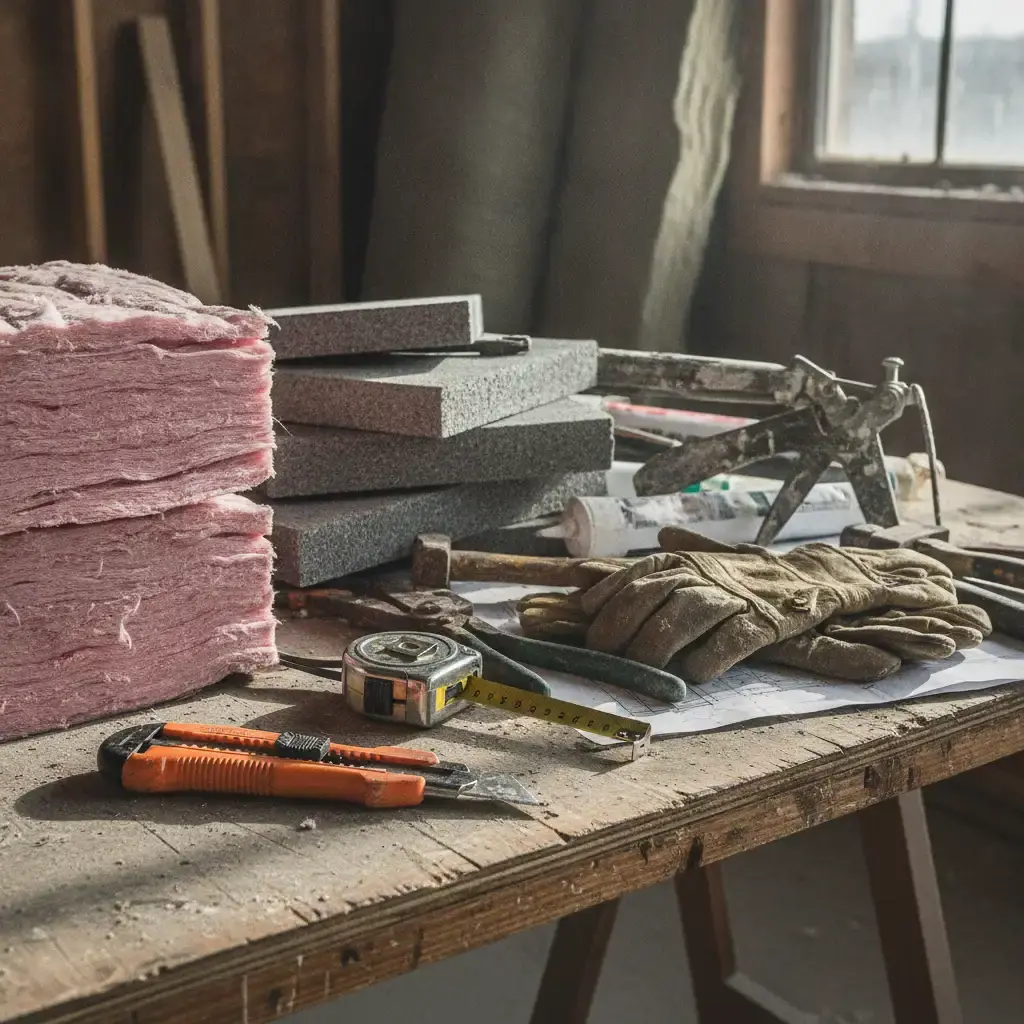
Crawl Space Encapsulation Cost in Anaheim, CA
Transparent Crawl Space Encapsulation Cost Pricing for Anaheim, CA Homeowners — Free Estimates
Learn the true crawl space encapsulation cost in Anaheim, CA. Climate Guard offers free estimates, local expertise & full encapsulation services. Call (858) 927-1082.
Crawl space encapsulation is the process of sealing your home’s crawl space with a heavy-duty vapor barrier, insulation, and moisture control systems to prevent humidity, mold, pests, and energy loss from infiltrating your living areas. In Anaheim, CA, where the Santa Ana winds drive seasonal humidity fluctuations and the region’s clay-heavy soils retain ground moisture year-round, encapsulation is not a luxury — it is a practical necessity for protecting your home’s structure and indoor air quality.
At Climate Guard Attic Insulation, we specialize in crawl space encapsulation services tailored specifically to Anaheim’s unique building stock, soil conditions, and Mediterranean climate. Our team understands the differences between post-war tract homes in the Anaheim Colony Historic District and newer construction near the Platinum Triangle, and we price and design every encapsulation project accordingly. Call us today at (858) 927-1082 for a free estimate.
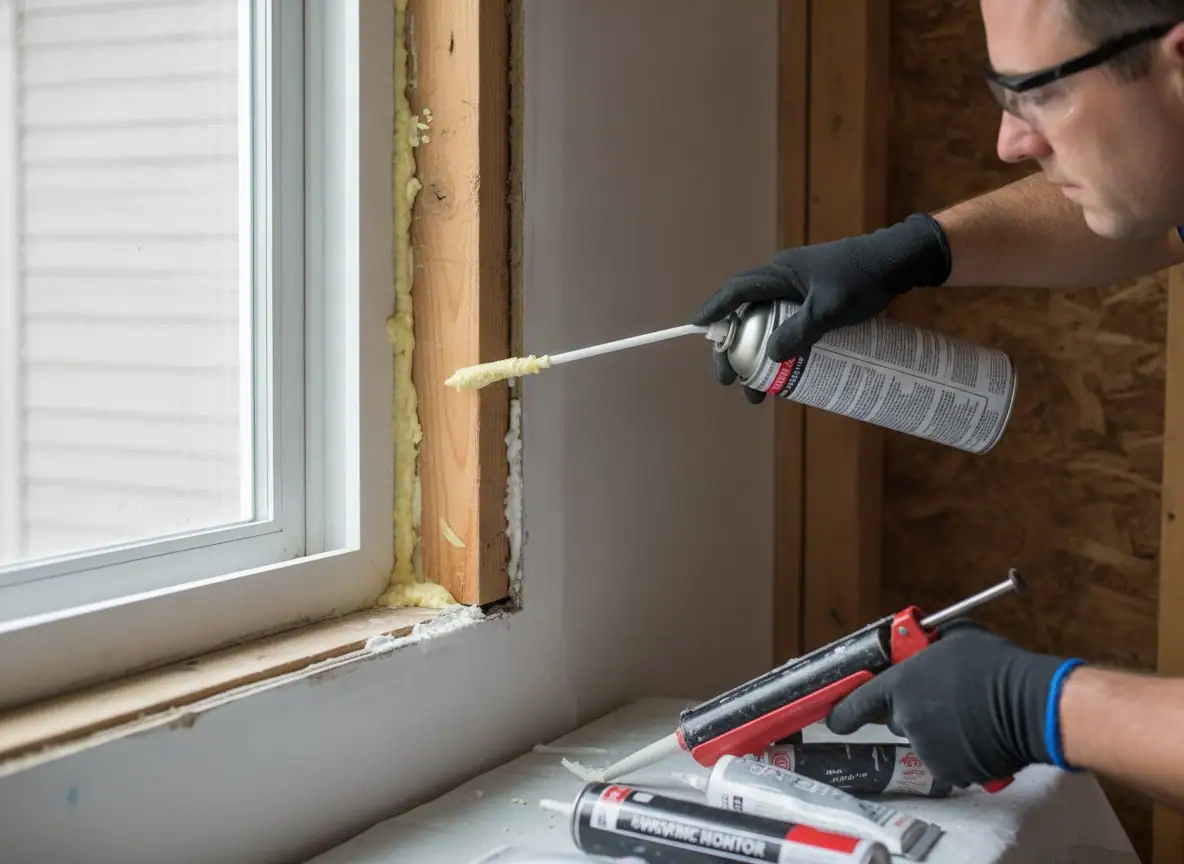
Understanding Crawl Space Encapsulation in Anaheim
Crawl space encapsulation is a building science practice that evolved significantly through the 1990s and 2000s as building scientists began recognizing the “stack effect” — the process by which air (and moisture) from the ground beneath a home travels upward through floors, walls, and into the living space. Traditional vented crawl spaces were once considered the gold standard in construction, based on the belief that outdoor air circulation would dry out moisture. Modern research, including studies published by the U.S. Department of Energy’s Building America program, has largely debunked this approach, particularly in climates like Southern California where seasonal humidity varies dramatically.
Read moreShow less
Encapsulation typically involves several components working together: a 12- to 20-mil reinforced polyethylene vapor barrier laid across the ground and sealed against foundation walls, spray foam or rigid board insulation applied to the walls and rim joists, a conditioned or dehumidified air supply to maintain stable humidity levels, and drainage systems where groundwater intrusion is a concern. The goal is to transform the crawl space from an uncontrolled exterior environment into a semi-conditioned interior zone that behaves more like a basement than an outdoor area.
In Anaheim, the majority of homes with crawl spaces were built between the 1940s and the 1980s, during the city’s explosive post-war growth period fueled by the opening of Disneyland in 1955 and the development of surrounding residential neighborhoods. These older homes — many of which feature original pier-and-beam or raised foundation systems — are especially vulnerable to moisture intrusion because they predate modern vapor barrier codes and were constructed over Anaheim’s characteristically expansive clay soils. Neighborhoods like West Anaheim, Anaheim Hills, and the areas surrounding Ball Road and Katella Avenue are particularly dense with this type of housing stock.
Encapsulation also intersects with related services such as crawl space insulation, insulation removal, and spray foam insulation, all of which Climate Guard Attic Insulation provides throughout the Anaheim area.
Why Crawl Space Encapsulation Is Needed in Anaheim, CA
Santa Ana Wind Events and Humidity Swings
Anaheim experiences some of Southern California’s most intense Santa Ana wind events, typically occurring between October and March. During these events, relative outdoor humidity can drop to 5–10%, which causes rapid moisture evaporation from soil and building materials. When the winds subside and marine-layer air returns from the Pacific — sometimes within 24 to 48 hours — humidity levels swing dramatically upward, sometimes reaching 85–90% relative humidity at ground level. This repeated expansion and contraction cycle stresses wooden floor joists and subfloor sheathing in crawl spaces, accelerating warping, splitting, and fungal growth. The major wind events of December 2017 and November 2018, which caused widespread fire damage throughout Orange County, also left behind the rapid humidity rebound cycles that are hard on unprotected crawl spaces.
Clay Soil Moisture Retention in Anaheim’s Flatlands
Much of central and western Anaheim sits on expansive Montezuma clay and Chino clay loam soils, as classified by the USDA Web Soil Survey. These soils are notorious for retaining moisture for extended periods after rainfall events and for swelling and contracting seasonally. During Anaheim’s wet season — typically November through March, when the city averages 13 to 15 inches of annual rainfall — these soils absorb significant water that then slowly off-gases moisture vapor into crawl spaces below homes. This is particularly pronounced in lower-lying areas near the Santa Ana River flood plain, including parts of West Anaheim and neighborhoods along La Palma Avenue and Lincoln Avenue.
Aging Housing Stock and Original Vapor Barriers
Anaheim’s post-war residential boom produced thousands of homes built before California Building Code required adequate vapor barriers in crawl spaces. Many homes in the Anaheim Colony area, portions of East Anaheim near Sycamore Street, and the neighborhoods flanking Disneyland Resort — including homes along Harbor Boulevard and Ball Road — still have original 4-mil or 6-mil plastic sheeting that has degraded, torn, or shifted over decades. Some homes have no ground cover at all. A deteriorated vapor barrier provides almost no meaningful moisture protection and requires full replacement as part of any legitimate encapsulation project.
Pest Pressure from Termites and Rodents
Orange County, including Anaheim, is classified as a Termite Zone 1 — the highest termite risk designation under California’s building standards. Subterranean termite colonies, which enter structures through soil contact and wood-to-ground interfaces, thrive in the moist, dark conditions of unencapsulated crawl spaces. Additionally, roof rats, which have spread throughout Southern California’s urban corridors, frequently colonize open crawl spaces. Encapsulation with sealed access panels and a sealed vapor barrier system dramatically reduces pest entry opportunities.
Free, no-obligation estimates
Talk to Climate Guard Attic Insulation
Tell us what you need and we’ll take it from there.
Signs You Need Crawl Space Encapsulation in Anaheim
Moisture and Mold Indicators
- Musty or earthy odors inside the home, particularly near floor level in first-floor rooms
- Visible mold or mildew on floor joists, subfloor sheathing, or HVAC ducts in the crawl space
- Condensation on cold water pipes or HVAC components beneath the home
- Standing water or saturated soil in the crawl space following winter rainstorms
Structural Warning Signs
- Soft spots, bouncy floors, or noticeable sagging between floor joists
- Wood that appears darkened, stained, or visibly rotted when inspected from below
- Gaps forming between hardwood flooring planks or tiles cracking along grout lines
Energy and Comfort Symptoms
- Unusually high heating and cooling bills despite normal usage patterns
- Cold floors during winter months even when the thermostat is set normally
- Uneven temperatures between first and second floors of two-story homes
Pest and Air Quality Signs
- Evidence of rodent activity — droppings, nesting material, or chewed insulation — in or near the crawl space
- Increased allergy or respiratory symptoms among household members
If you notice any of these warning signs in your Anaheim home, contact Climate Guard Attic Insulation at (858) 927-1082 for an immediate crawl space assessment.
Our process
Our Crawl Space Encapsulation Process in Anaheim
Climate Guard Attic Insulation follows a proven, systematic encapsulation process designed to address Anaheim’s specific soil, climate, and building conditions.
- 01
Comprehensive Inspection and Assessment (Day 1 — 1–2 Hours)
Our technicians perform a thorough crawl space inspection, measuring moisture levels at multiple points using calibrated pin-type moisture meters, checking for existing vapor barrier condition, identifying pest activity, cataloguing structural damage, and phot
- 02
Debris Removal and Old Vapor Barrier Extraction (Day 1–2 — 2–6 Hours)
We remove all existing insulation batts (which are frequently contaminated with mold or rodent waste in older Anaheim homes), deteriorated vapor barrier material, and debris. This material is bagged, sealed, and disposed of in accordance with California regula
- 03
Pest and Mold Remediation Coordination (Day 2–3 — As Needed)
If active termite activity or significant mold colonization is identified, we coordinate with licensed pest control and mold remediation partners before proceeding. Encapsulating over active biological threats would trap problems rather than solve them.
- 04
Ground Vapor Barrier Installation (Day 2–3 — 4–8 Hours)
We install a 16-mil or 20-mil reinforced polyethylene vapor barrier across the entire crawl space floor, overlapping seams by a minimum of 12 inches and sealing all joints with pressure-sensitive tape rated for long-term underground use. The barrier is run up
- 05
Wall and Rim Joist Insulation (Day 3–4 — 3–6 Hours)
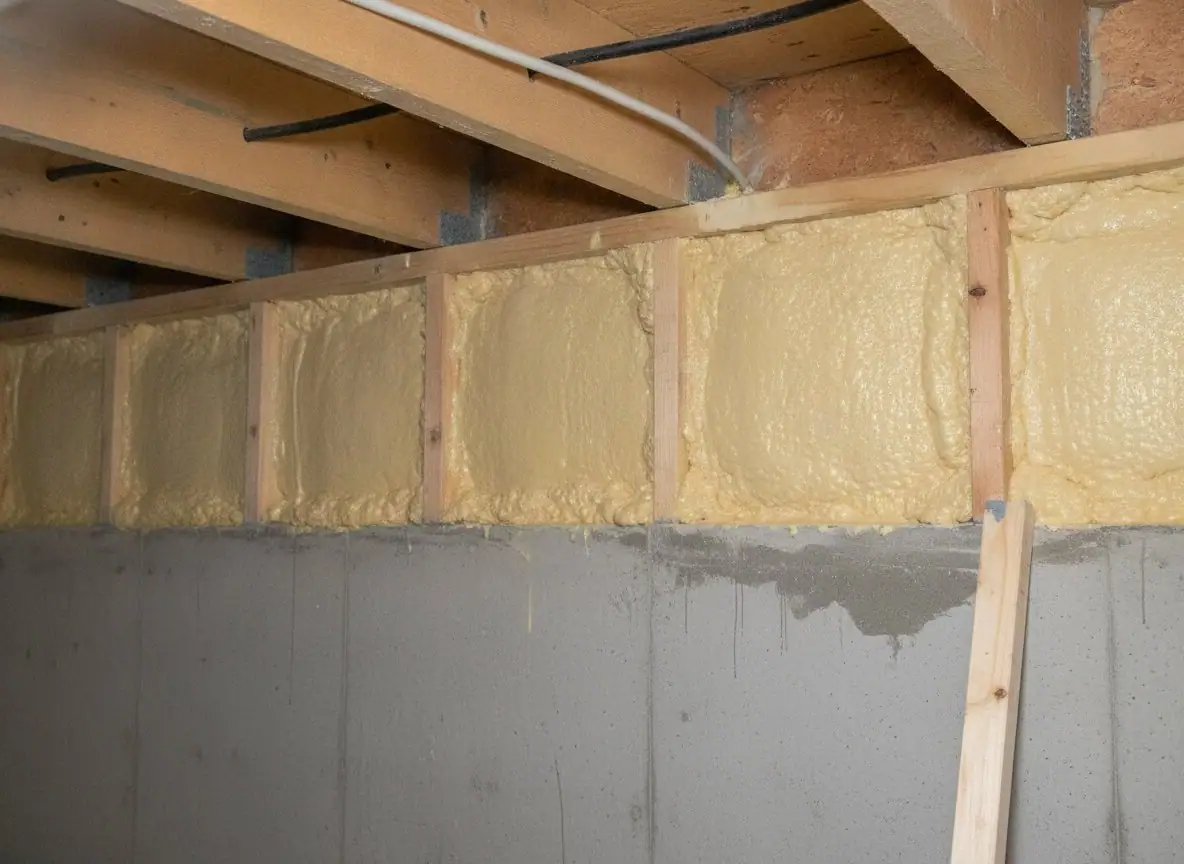
Foundation walls and rim joists are insulated using either closed-cell spray foam insulation or rigid foam board, depending on site conditions and budget. Spray foam insulation is preferred for its superior air sealing properties in older Anaheim homes where f
- 06
Humidity Control System Installation (Day 4 — 2–4 Hours)
A crawl space dehumidifier or conditioned air supply is installed to maintain relative humidity below 60% year-round — the threshold above which mold growth accelerates. This is particularly critical in Anaheim during the post-Santa Ana humidity rebound period
- 07
Final Inspection and Documentation (Day 4–5 — 1 Hour)
We conduct a final walk-through with the homeowner, review all installed components, provide documentation for insurance and home sale purposes, and set up any monitoring equipment included in the project scope.
Crawl Space Encapsulation Methods and Approaches
Full Encapsulation with Conditioned Air
This is the most comprehensive approach, converting the crawl space into a conditioned zone by sealing all vents, installing a complete vapor barrier, and supplying conditioned air from the home’s HVAC system. This method is ideal for Anaheim homes in lower-lying areas near the Santa Ana River or in neighborhoods with historically high groundwater tables, such as portions of West Anaheim. It provides the best long-term moisture control but requires verification that the home’s HVAC system has sufficient capacity.
Encapsulation with Standalone Dehumidifier
For homes where adding crawl space air to the HVAC load is impractical, a sealed encapsulation system paired with a dedicated crawl space dehumidifier (typically rated at 70–90 pints per day for Anaheim’s climate) provides equivalent moisture control. This is the most common approach for Anaheim Hills homes with complex crawl space geometries.
Partial Encapsulation and Vapor Barrier Upgrade
Some Anaheim homeowners with minimal moisture concerns and intact structural components may qualify for a partial encapsulation — primarily a high-quality vapor barrier replacement and vent reduction — as an entry-level investment. This approach is most appropriate for homes built after 1990 with existing code-compliant vapor barriers that simply need upgrading.
Encapsulation with Drainage System Integration
Properties near Anaheim’s flood plain areas or those that have experienced standing water after major rain events such as the January 2023 atmospheric river storms may require an interior French drain or sump pump system integrated with the encapsulation. This approach adds to cost but is essential where water intrusion — not just vapor — is the primary challenge.
Crawl Space Encapsulation Cost in Anaheim, CA
Understanding the cost of crawl space encapsulation in Anaheim requires looking at several variables. Below is an overview of typical price ranges based on our experience serving Orange County homeowners.
Typical Cost Ranges
- Basic vapor barrier installation only: $1,500–$3,000 for most standard Anaheim crawl spaces
- Full encapsulation (barrier + wall insulation + dehumidifier): $5,000–$12,000 depending on square footage and access conditions
- Full encapsulation with drainage system: $8,000–$18,000 for properties requiring water management infrastructure
- Per square foot average: $5–$10 per square foot for standard full encapsulation in Orange County
Read moreShow less
Key Factors Affecting Your Anaheim Encapsulation Cost
- Crawl space size and clearance height: Anaheim’s older tract homes frequently have crawl spaces with 18–24 inches of clearance, which increases labor time significantly compared to standard 36-inch clearances.
- Existing moisture damage: Homes near Katella Avenue or Lincoln Avenue with deteriorated joists may require structural repairs before encapsulation.
- Old insulation removal: Insulation removal costs typically add $1–$2 per square foot to the project total.
- Drainage system needs: Properties in flood-zone-adjacent areas of West Anaheim or near the Santa Ana River require additional drainage infrastructure.
- Dehumidifier specification: Anaheim’s humidity swing patterns typically require higher-capacity units than national averages suggest.
Climate Guard Attic Insulation provides detailed, itemized estimates at no charge. Call (858) 927-1082 to schedule your free Anaheim crawl space assessment.
Anaheim Neighborhoods We Serve
Anaheim Hills
Anaheim Hills, developed primarily during the 1970s and 1980s along the eastern hillside terrain, features homes built on cut-and-fill pads with irregular foundation configurations. Many properties here have complex crawl space geometries and are subject to hillside soil movement that stresses vapor barriers over time. We frequently provide crawl space insulation upgrades in this neighborhood alongside full encapsulation.
West Anaheim and the Beach Boulevard Corridor
Homes along and near Beach Boulevard, built largely between 1945 and 1965, sit on Anaheim’s flattest, lowest-elevation land — and are most exposed to seasonal groundwater table rises. These older homes frequently have original or no vapor barriers and represent the highest-demand area for our full encapsulation services.
Anaheim Colony Historic District
The Anaheim Colony — bounded roughly by North, South, East, and West Streets near the city’s original downtown — contains some of Anaheim’s oldest residential properties, including Victorian-era bungalows and Craftsman homes from the early 1900s. These homes have unique pier-and-beam foundations requiring specialized encapsulation approaches that respect historic fabric while delivering modern moisture protection.
Platinum Triangle and Stadium District
Newer mid-rise and townhome developments near Angel Stadium are generally slab-on-grade and do not require traditional crawl space encapsulation, but surrounding older single-family homes on raised foundations along State College Boulevard and Katella Avenue remain active service areas for our team.
Crawl Space Encapsulation Maintenance Tips for Anaheim Homeowners
- Inspect the vapor barrier annually: Check for tears, punctures, or lifted seams after every major rain season — typically in March or April when Anaheim’s wet season concludes.
- Monitor dehumidifier performance: Check that your crawl space dehumidifier is draining properly and maintaining humidity below 60% relative humidity, especially during the post-Santa Ana marine layer rebounds in late fall and winter.
- Clear drainage around the foundation: After heavy rainfall events like the atmospheric rivers that affected Anaheim in early 2023, inspect downspout extensions and ensure water is directed away from the foundation perimeter.
- Check for pest activity: Inspect sealed access panel edges and utility penetrations twice yearly for signs of rodent gnawing or termite mud tubes — Orange County’s Termite Zone 1 designation means vigilance is essential.
- Confirm vent seals remain intact: If your encapsulation included sealing original foundation vents, verify these plugs or covers have not shifted or been removed.
- Service your dehumidifier annually: Have the unit’s filter, coils, and float switch inspected each fall before the wet season begins.
- Review attic and crawl space together: Moisture issues in crawl spaces often relate to whole-home envelope performance — pairing crawl space maintenance with attic insulation inspection provides a complete picture.
Why Choose Climate Guard Attic Insulation for Crawl Space Encapsulation in Anaheim
Climate Guard Attic Insulation is a locally focused insulation and encapsulation contractor serving Anaheim and the broader Orange County region. Our team has hands-on familiarity with the specific challenges posed by Anaheim’s clay soils, Santa Ana wind cycles, aging housing stock, and termite-heavy environment — conditions that national franchise services frequently underestimate.
We offer a comprehensive suite of related services, including blow-in insulation, insulation replacement, attic insulation, and spray foam insulation, allowing us to address your home’s complete building envelope rather than treating crawl space encapsulation in isolation.
Every project begins with a free, no-pressure crawl space assessment. We provide itemized, transparent estimates with no hidden fees, and our technicians explain every recommendation in plain language. When you call Climate Guard Attic Insulation at (858) 927-1082, you reach a team that knows Anaheim’s neighborhoods, soils, and building history — not a national call center.
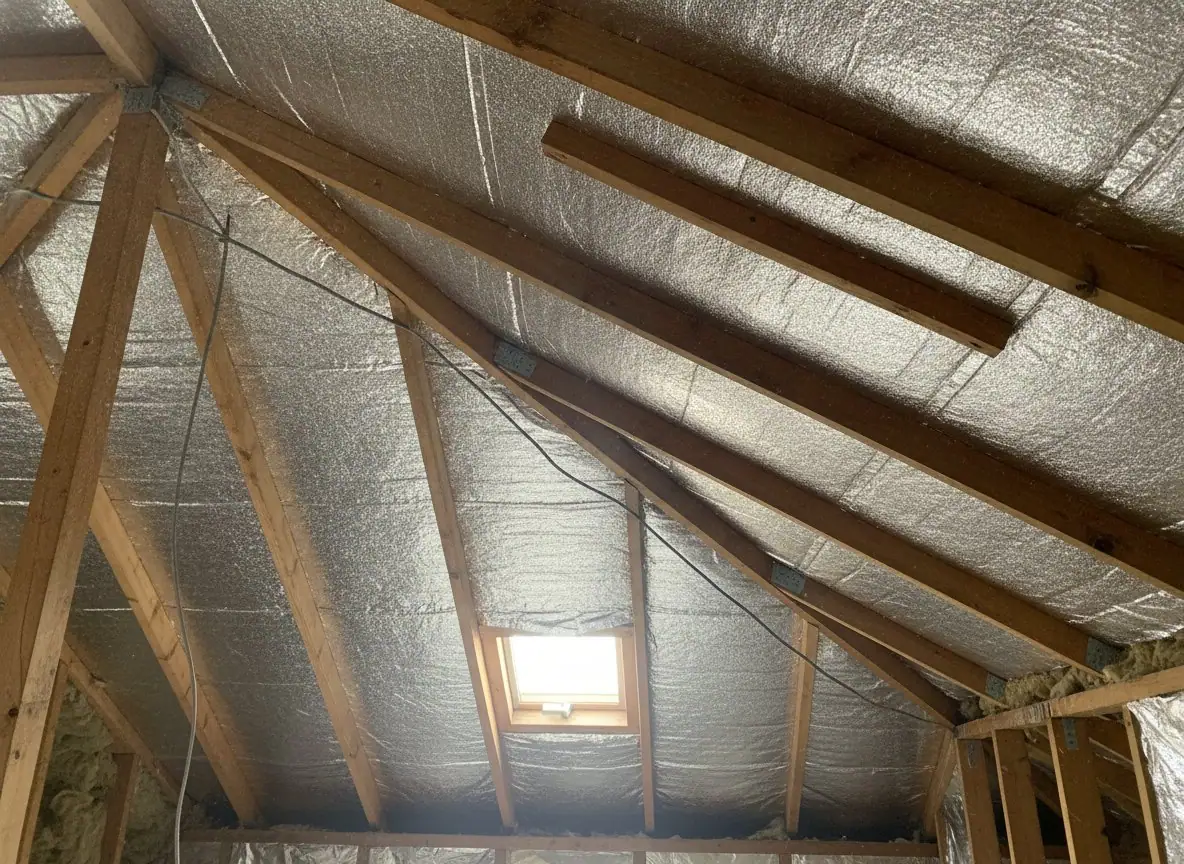
FAQ
Frequently Asked Questions About Crawl Space Encapsulation Cost in Anaheim
How much does crawl space encapsulation typically cost in Anaheim, CA?
Most Anaheim homeowners pay between $5,000 and $12,000 for a full crawl space encapsulation, depending on square footage, access conditions, and whether a dehumidifier or drainage system is included. Basic vapor barrier replacement alone can range from $1,500 to $3,000. Properties in flood-adjacent areas of West Anaheim requiring drainage infrastructure can see total costs reach $15,000–$18,000.
How long does crawl space encapsulation take in Anaheim?
A standard full encapsulation for a typical Anaheim single-family home — roughly 1,000–1,500 square feet of crawl space — takes three to five days from start to final inspection. Homes with very low crawl space clearance (common in Anaheim’s older tract homes at 18–24 inches) may add one to two additional days of labor.
Does Anaheim’s climate make crawl space encapsulation more necessary than in other California cities?
Yes. Anaheim’s combination of clay-heavy soils, dramatic humidity swings driven by Santa Ana wind events, and an older housing stock built before modern vapor barrier standards creates above-average moisture risk compared to newer inland communities. The city’s position adjacent to the Santa Ana River flood plain also elevates groundwater table concerns in western portions of the city.
Will encapsulation eliminate the musty odor coming from my Anaheim home’s floors?
In most cases, yes. Musty odors in Anaheim homes are typically caused by mold or mildew growing on wood structural components in moisture-saturated crawl spaces. Full encapsulation, combined with mold remediation if active colonies are present, eliminates the source of these odors. Most homeowners report noticeable indoor air quality improvement within weeks of encapsulation completion.
Can crawl space encapsulation reduce my energy bills in Anaheim?
Yes. By insulating crawl space walls and the rim joist area, encapsulation eliminates a significant source of conditioned air loss in older Anaheim homes. Studies by the U.S. Department of Energy’s Building America program have documented energy savings of 15–25% in homes where crawl space encapsulation was combined with proper air sealing — a meaningful reduction given Anaheim’s year-round cooling demands.
Does crawl space encapsulation help with termite prevention in Anaheim?
Encapsulation significantly reduces termite-favorable conditions by eliminating moisture and reducing soil-to-wood contact opportunities, but it is not a substitute for licensed termite treatment if active colonies are present. Orange County’s Termite Zone 1 classification means we always recommend a concurrent termite inspection when performing crawl space assessments in Anaheim.
What is the difference between crawl space encapsulation and crawl space insulation?
Crawl space insulation refers specifically to adding thermal insulation to the floor joists or crawl space walls to reduce heat transfer. Encapsulation is a broader system that includes a vapor barrier, sealed foundation vents, wall insulation, and humidity control. Crawl space insulation can be performed independently, but full encapsulation delivers superior moisture and energy performance for most Anaheim homes.
Do I need to leave my home during crawl space encapsulation?
In most cases, no. Crawl space encapsulation work occurs entirely below the home and does not require interior access beyond the crawl space entry point. However, if significant mold remediation is needed beforehand, temporary relocation may be recommended by the remediation contractor depending on the scope of contamination.
Get Your Free Crawl Space Encapsulation Estimate in Anaheim Today
Don’t let Anaheim’s clay soils, Santa Ana wind humidity swings, or aging home construction put your crawl space — and your family’s health — at risk. Climate Guard Attic Insulation provides free, comprehensive crawl space assessments throughout Anaheim and surrounding Orange County communities, including Santa Ana, Fullerton, Garden Grove, Yorba Linda, and beyond.
Our team is ready to walk you through your crawl space’s condition, explain every recommendation, and provide a transparent itemized estimate with no pressure and no hidden fees.
Call us now at (858) 927-1082 to schedule your free Anaheim crawl space encapsulation assessment. Protect your home from the ground up — starting today.
Get in touch
Find insulation help near you
Request a free estimate online or give us a call — our team will follow up quickly.
- Call us(858) 927-1082
- Visit1127 N Fountain Way, Anaheim, CA 92806
- HoursMon - Sun 07:00-19:00