

Cellulose Insulation in Anaheim, CA
Energy-Saving Cellulose Insulation for Anaheim, CA Homes — Licensed & Insured
Need cellulose insulation in Anaheim, CA? Climate Guard Attic Insulation offers expert blow-in & dense-pack installs. Free estimate—call (858) 927-1082 today!
Cellulose insulation is a plant-based, recycled-content insulating material made primarily from post-consumer paper and cardboard that has been treated with fire-retardant compounds. When installed correctly, it forms a dense, seamless thermal barrier that dramatically reduces heat transfer through walls, attics, and floors — a critical concern in a city where summer temperatures routinely push past 95°F in inland neighborhoods like The Colony and Anaheim Hills.
At Climate Guard Attic Insulation, we specialize in cellulose insulation installation throughout Anaheim and the surrounding Orange County communities. Whether you own a mid-century ranch home near Disneyland Resort or a newer two-story in Anaheim Hills, our team delivers precision-installed cellulose insulation that addresses the specific thermal demands of Southern California’s Mediterranean climate. Our full service menu includes attic insulation, blow-in insulation, spray foam insulation, insulation removal and replacement, crawl space insulation, and crawl space encapsulation — all backed by meticulous workmanship tailored to Anaheim’s unique building stock and climate profile.
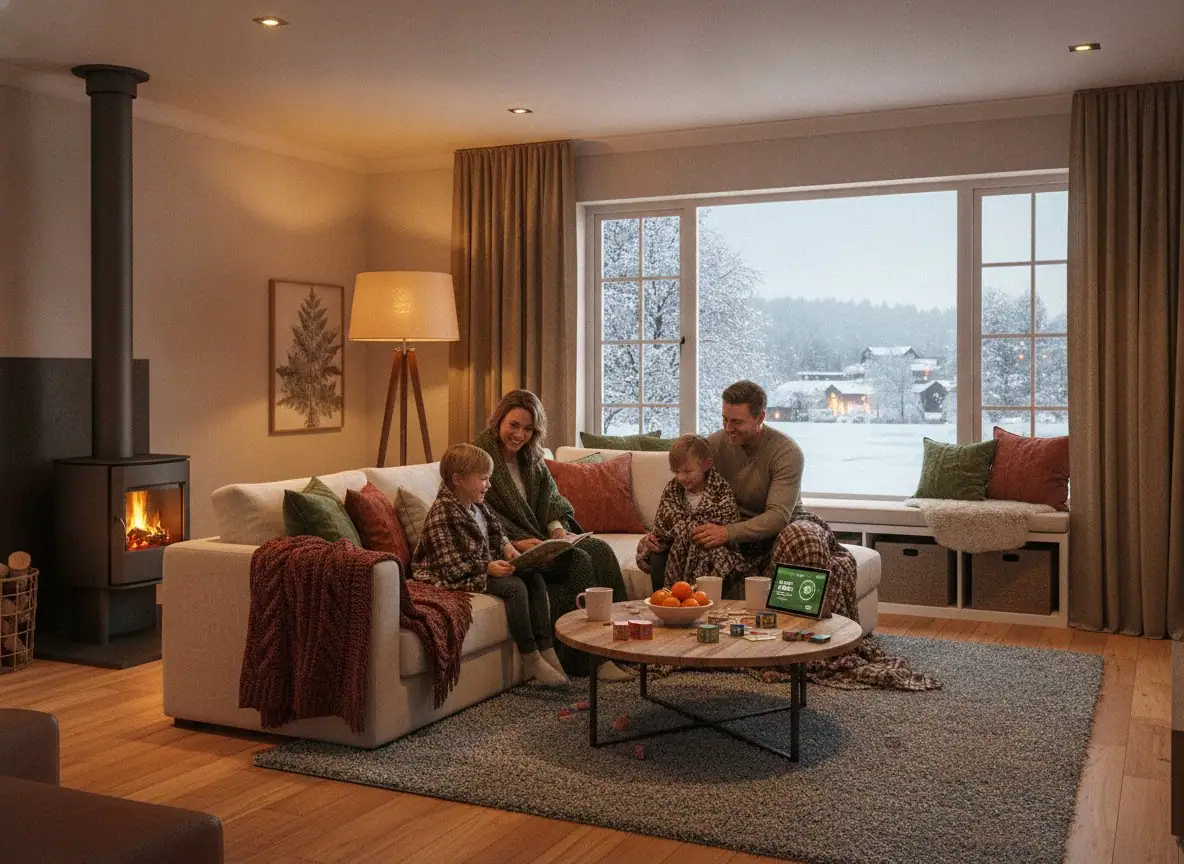
Understanding Cellulose Insulation
Cellulose insulation has been used in residential and commercial construction in the United States since the 1950s, but its origins trace back even further to the early 20th century when builders began recognizing that shredded paper materials could slow heat movement through building envelopes. Today’s cellulose products are dramatically more advanced: they are composed of 75–85% recycled paper fiber treated with borate compounds that provide fire resistance, pest deterrence, and mold inhibition, making them both eco-friendly and highly functional.
There are three primary forms of cellulose insulation used in modern construction:
- Loose-fill cellulose — blown into open attic floors using specialized blowing equipment, conforming around obstructions like joists, wiring, and HVAC ducts.
- Dense-pack cellulose — installed under pressure into enclosed wall cavities, crawl spaces, and enclosed attic rafter bays, achieving densities of 3.0–3.5 lbs per cubic foot that resist settling over time.
- Stabilized or spray-applied cellulose — mixed with a small amount of water or adhesive and applied to open cavities during new construction or major renovations.
Read moreShow less
Cellulose achieves an R-value of approximately R-3.2 to R-3.8 per inch, which means a standard attic installation reaching 15 inches in depth can deliver R-49 — the level recommended by the U.S. Department of Energy for Climate Zone 3, the zone covering Anaheim and most of coastal Southern California. This R-49 target is particularly relevant for Anaheim homes built before 1980, the majority of which were constructed with little to no attic insulation or with deteriorated fiberglass batts that no longer meet current performance standards.
Anaheim’s housing stock spans several distinct eras. The post-World War II boom of the 1950s and 1960s produced thousands of single-story tract homes in the flatlands west of Harbor Boulevard. The 1970s and 1980s brought split-level and two-story homes to the hillside communities of Anaheim Hills. The 1990s and 2000s introduced larger production homes in east Anaheim near Serrano Avenue. Each era presents unique insulation challenges that cellulose is exceptionally well-suited to address because of its flexibility, density, and ability to fill irregular spaces that rigid insulation products simply cannot reach.
Learn more about our blow-in insulation services
Why Cellulose Insulation Is Needed in Anaheim, CA
The Santa Ana Wind Factor
Anaheim is particularly vulnerable to Santa Ana wind events, which occur most frequently between October and February but can strike at any time of year. During documented events like the October 2007 wildfires and the December 2017 Thomas Fire weather pattern — when sustained winds exceeded 60 mph with gusts recorded at 80+ mph at Anaheim Hills weather stations — outdoor temperatures spike, humidity drops to single digits, and the combination dramatically increases the thermal stress on building envelopes. Homes with insufficient insulation experience rapid interior temperature rises during these events, increasing both discomfort and wildfire embers ignition risk through inadequately sealed attic vents. Cellulose insulation’s density and fire-retardant borate treatment make it particularly appropriate for this fire-weather climate.
Aging Building Stock in West and Central Anaheim
Neighborhoods like Anaheim Packing District, Downtown Anaheim, and the blocks surrounding Ball Road and Euclid Street contain large concentrations of homes built between 1950 and 1975. Many of these structures were originally insulated with 3–4 inches of kraft-faced fiberglass batts delivering roughly R-11 — far below the current California Title 24 standard of R-38 minimum for attic assemblies. Decades of thermal cycling, pest activity, and moisture from marine layer condensation have compressed and degraded these original batts to effective R-values as low as R-5 to R-7. Cellulose blown in over existing degraded insulation can restore performance to current code minimums efficiently and affordably.
Disneyland Resort Area Commercial and Mixed-Use Transitions
Within a half-mile radius of Disneyland Resort along Harbor Boulevard, residential neighborhoods have gradually transitioned to mixed commercial use. Remaining residential properties in this corridor, particularly older apartment complexes along Katella Avenue and Lincoln Avenue, suffer from thin wall assemblies and minimal attic coverage. Dense-pack cellulose retrofits in wall cavities can improve these structures’ thermal performance by 40–60% without requiring exterior cladding removal.
Crawl Space Moisture in the Santa Ana River Corridor
Homes in central and west Anaheim situated near the Santa Ana River flood control channel — particularly in low-lying areas between La Palma Avenue and the 91 Freeway — experience elevated ground moisture conditions, especially after the wet seasons of 2016–2017 and 2022–2023 when cumulative rainfall at John Wayne Airport exceeded 200% of normal. Crawl space moisture infiltration degrades conventional fiberglass insulation rapidly, whereas cellulose treated with borate resists mold establishment longer, providing an important additional line of defense when paired with proper crawl space encapsulation.
Free, no-obligation estimates
Talk to Climate Guard Attic Insulation
Tell us what you need and we’ll take it from there.
Signs You Need Cellulose Insulation in Anaheim
Energy and Comfort Indicators
- Monthly summer electricity bills exceeding $250–$350 for a standard 1,500–2,000 sq ft Anaheim home, indicating excessive air conditioning load.
- Rooms above the garage or directly below the attic floor feeling noticeably hotter than the rest of the home — a 5°F or greater differential is a strong signal.
- Air conditioning running nearly continuously during July and August afternoon hours (2–6 PM) without achieving set-point temperatures.
- Cold drafts near exterior walls during Santa Ana wind events despite closed windows and doors.
Visual and Physical Symptoms
- Attic insulation depth measuring less than 10 inches when viewed through the attic access hatch — current standards call for 15+ inches of cellulose.
- Visible fiberglass batts that appear yellow-brown, compressed flat against joists, or show dark staining from air filtration or moisture.
- Pest tunneling, nesting materials, or insect debris visible within existing attic insulation.
- Moisture stains or efflorescence on crawl space subfloor joists visible from below.
Urgency Indicators
- Attic insulation that is more than 20–25 years old with no documented replacement — this covers most pre-2000 Anaheim homes.
- Discovery of vermiculite or older loose-fill materials that may contain asbestos (common in homes built before 1980), requiring professional insulation removal before new installation.
Our process
Our Cellulose Insulation Installation Process in Anaheim
- 01
Free On-Site Assessment (Day 1 — 60 to 90 minutes)
A Climate Guard Attic Insulation technician visits your Anaheim home to measure existing insulation depth, assess attic ventilation ratios, inspect for moisture intrusion, identify air sealing deficiencies at top plates and penetrations, and document any pest
- 02
Detailed Scope and Written Estimate (Day 1–2)
Based on assessment findings, we prepare a written scope of work specifying target R-value, estimated cellulose tonnage required, any necessary attic air sealing, baffle installation at eave vents, and insulation removal if the existing material is degraded be
- 03
Preparation and Air Sealing (Installation Day, Hours 1–2)
Before any cellulose is blown, our crew installs foam baffles at every rafter bay to maintain the required 2-inch minimum airway from soffit to ridge — critical in Anaheim’s warm climate where attic ventilation prevents moisture accumulation. We then seal all
- 04
Cellulose Installation (Installation Day, Hours 2–5)
Using truck-mounted or portable blowing machines, we install cellulose to the specified depth and settled density. Depth gauges placed every 200 square feet ensure consistent coverage. For dense-pack wall cavity applications, we use specialized fill tubes and
- 05
Quality Verification and Documentation (Installation Day, Final Hour)
After installation, we conduct a final depth check across the entire attic and provide you with a completed installation certificate documenting the R-value achieved, product used, and installation date — documentation often required for California utility reb
- 06
Cleanup and Site Restoration
All equipment, packaging materials, and any removed insulation debris are fully removed from your property. The attic access hatch is resealed and any disturbed interior finishes are restored. Total project timeline for a typical 1,500 sq ft Anaheim attic: 4–6
Cellulose Insulation Methods and Approaches
Loose-Fill Attic Blow-In
The most common approach for Anaheim’s single-story and two-story attic floors. Cellulose is blown freely over the attic floor deck to the target depth. Ideal for open, accessible attics in the flatland neighborhoods of west and central Anaheim. Installation achieves uniform coverage even around HVAC equipment and ductwork. This method is the primary pathway to qualifying for Southern California Edison and SoCalGas rebates under their Home Energy Efficiency Programs, which currently offer rebates of up to $0.10 per square foot for qualifying insulation upgrades.
Dense-Pack Wall Cavity Insulation
Used for retrofitting existing exterior walls without removing interior drywall or exterior siding. Small access holes (approximately 2 inches in diameter) are drilled in mortar joints or siding courses, fill tubes are inserted, and cellulose is blown under controlled pressure. This is particularly valuable for the stucco-clad homes of Anaheim Hills and the older wood-sided tract homes near Sunkist Street and Ball Road.
Dense-Pack Enclosed Rafter Bay Insulation
For cathedral ceilings and enclosed rafter assemblies common in the 1960s and 1970s ranch homes near Disneyland Resort. Dense-pack cellulose fills these challenging cavities without the condensation risks associated with open-cell spray foam in this climate zone.
Stabilized Spray Cellulose (New Construction)
Applied during open-wall new construction phases in east Anaheim development corridors, particularly suitable for complex roof geometries where blown loose-fill would shift during drying.
Cellulose with Supplemental Spray Foam Air Barrier
A hybrid approach pairing a thin layer of spray foam insulation as an air barrier at critical penetrations with bulk cellulose fill — delivering both air control and thermal mass benefits for high-performance projects.
Cellulose Insulation Cost in Anaheim, CA
Understanding pricing helps Anaheim homeowners budget accurately and compare quotes fairly. Cellulose insulation costs in the Anaheim market generally fall within the following ranges:
- Loose-fill attic blow-in (new installation): $1.20–$2.00 per square foot installed, including labor and materials. A 1,500 sq ft attic typically costs $1,800–$3,000.
- Loose-fill attic blow-in (over existing): $0.80–$1.50 per square foot when blown over existing insulation that is still structurally sound. A 1,500 sq ft attic typically costs $1,200–$2,250.
- Dense-pack wall cavity retrofit: $2.50–$4.50 per square foot of wall area, depending on wall height, siding type (stucco vs. wood), and access complexity.
- Combined attic air sealing and blow-in package: $2,000–$4,500 for a typical Anaheim home, representing the highest-value investment given the energy savings in this climate.
- Insulation removal prior to new installation: $1.00–$2.00 per square foot for standard removal; add 30–50% for contaminated or hazardous material removal requiring special disposal.
Read moreShow less
Anaheim-Specific Cost Factors
Orange County labor rates run approximately 10–15% higher than the California state average due to higher cost of living. Homes in Anaheim Hills with steep-pitch roofs or limited attic access points carry a 15–25% labor premium compared to flat-land single-story homes. However, Southern California Edison rebates and potential federal energy efficiency tax credits under the Inflation Reduction Act (up to 30% of project cost, capped at $1,200 per year for insulation) can offset 20–35% of gross project costs for qualifying Anaheim homeowners.
Call (858) 927-1082 for a precise, no-obligation estimate specific to your Anaheim property.
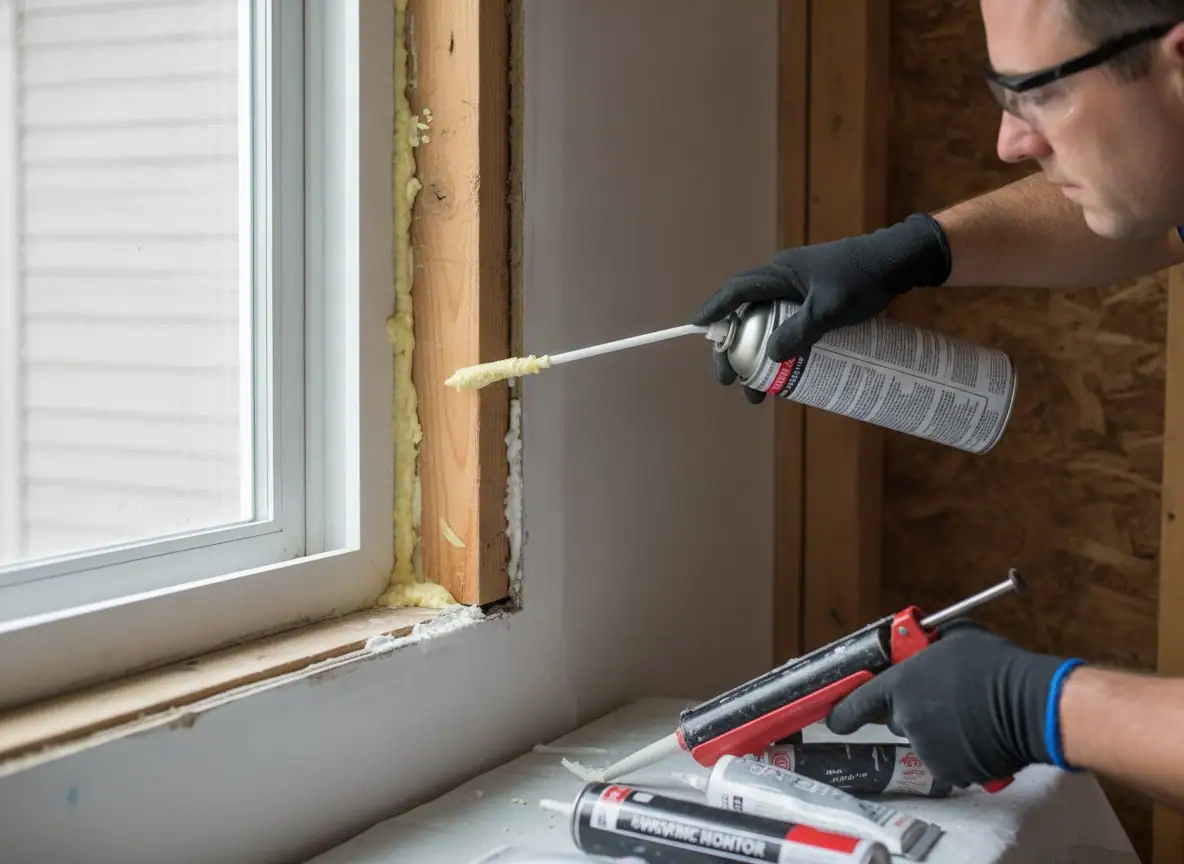
Anaheim Neighborhoods We Serve
Anaheim Hills
This hillside community in east Anaheim, developed primarily between 1975 and 2000, features two-story homes with complex roof geometries, vaulted ceilings, and steep attic pitches that create challenging insulation access conditions. Many Anaheim Hills homes also face elevated wildfire ember exposure risk, making cellulose’s borate fire retardant treatment a particularly relevant safety benefit. We regularly serve neighborhoods along Serrano Avenue, Nohl Ranch Road, and Imperial Highway.
West Anaheim (Ball Road / Euclid Corridor)
Dominated by 1950s–1970s single-story ranch homes, this area has Anaheim’s highest concentration of homes with original or seriously degraded fiberglass insulation. Attic access is typically straightforward, making full attic insulation blow-in projects highly cost-effective here. Many homes in this area also benefit from crawl space insulation services due to their pier-and-beam foundations.
Platinum Triangle / Stadium District
This urban renewal zone surrounding Angel Stadium contains a growing number of condo and apartment conversions where party-wall and roof-deck insulation retrofits require dense-pack cellulose techniques. Noise reduction is an added benefit of dense-pack cellulose in this high-activity urban area.
Downtown Anaheim / Packing District
Older craftsman and bungalow-style homes in this historic district, many built between 1910 and 1945, present unique insulation challenges including knob-and-tube wiring (which requires special handling before insulation installation), plaster walls, and minimal original insulation. Dense-pack wall retrofits are common here.
Cellulose Insulation Maintenance Tips for Anaheim Homeowners
- Check attic insulation depth annually: Place a ruler through the attic access hatch each fall before the cooler season. Cellulose should measure at least 15 inches for R-49 performance. Minor settling of 10–15% over the first year is normal; greater than 20% loss warrants inspection.
- Inspect attic ventilation after major Santa Ana wind events: High winds can dislodge soffit baffles or shift cellulose away from eave areas. After any wind event with gusts exceeding 40 mph, a quick visual attic check is worthwhile.
- Keep attic access hatches weatherstripped: Anaheim’s temperature swings create significant air pressure differentials. A poorly sealed attic hatch can compromise up to 15% of your insulation system’s effectiveness.
- Control indoor humidity below 55% relative humidity: Southern California’s occasional marine layer humidity spikes can introduce moisture into attic assemblies if ventilation is inadequate. Maintain exhaust fans in bathrooms and kitchens.
- Schedule a professional insulation inspection every 5–7 years: Pest activity, moisture events, and HVAC work can disturb cellulose coverage over time.
- Keep attic HVAC ducts sealed and insulated: Leaking ducts in Anaheim’s hot attic spaces can effectively negate even the best insulation installation.
- Do not store heavy items on attic insulation: Compressing cellulose reduces its R-value proportionally to the degree of compression.
Why Choose Climate Guard Attic Insulation in Anaheim
At Climate Guard Attic Insulation, we have built our reputation on a single commitment: delivering insulation systems that actually perform under the real-world conditions Anaheim homeowners face — intense summer heat, Santa Ana wind events, marine layer humidity, and aging building stock that demands precision retrofitting rather than one-size-fits-all solutions.
Our crews are trained specifically in the insulation challenges common to Orange County’s diverse building inventory, from the 1950s ranch homes of west Anaheim to the complex hillside residences of Anaheim Hills. We use only cellulose products that meet California’s strict flame-spread and smoke-density standards under the California Building Code, and we conduct post-installation depth verification on every project — not just spot checks.
Read moreShow less
We serve homeowners throughout Anaheim and across the entire Orange County region including Santa Ana, Fullerton, Garden Grove, Buena Park, Orange, Tustin, Westminster, Yorba Linda, Brea, Cypress, Costa Mesa, Stanton, La Palma, and Villa Park. Our full service range — from insulation removal and replacement to crawl space insulation and encapsulation — means we can address your entire building envelope in a single relationship with one accountable contractor.
Call (858) 927-1082 to schedule your free assessment today.
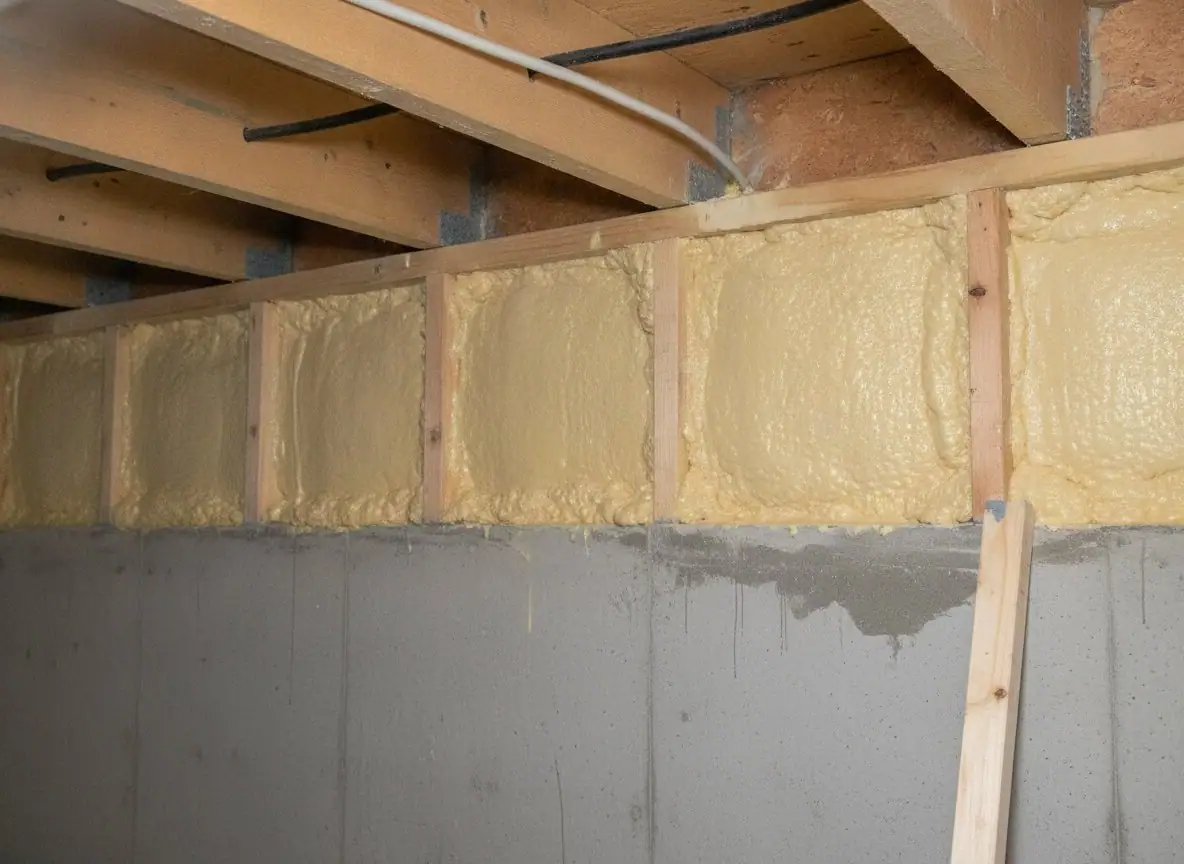
FAQ
Frequently Asked Questions About Cellulose Insulation in Anaheim, CA
How much does cellulose insulation cost in Anaheim?
For a typical Anaheim home with a 1,500 sq ft attic, a full loose-fill cellulose installation (including air sealing) generally costs between $2,000 and $4,500 depending on existing conditions, access complexity, and target R-value. Dense-pack wall cavity work runs $2.50–$4.50 per square foot of wall area. Southern California Edison rebates and federal tax credits can reduce your net cost by 20–35%. Call (858) 927-1082 for a site-specific estimate.
How long does cellulose insulation installation take in Anaheim?
Most attic insulation projects in standard Anaheim single-story homes are completed in 4–6 hours, including preparation, air sealing, installation, and cleanup. Larger homes in Anaheim Hills or projects involving wall cavity dense-packing may require 1–2 full days. We work around your schedule and restore all areas to original condition before we leave.
Is cellulose insulation safe for homes near Disneyland with high foot traffic and dust sensitivity?
Yes. Once installed and covered by attic deck boards or sealed within wall cavities, properly installed cellulose produces no airborne fibers in living spaces. The borate compounds used as fire retardants and pest deterrents are non-toxic to humans and pets at the concentrations present in insulation products. Cellulose is one of the lowest-VOC insulation options available, making it particularly appropriate for families with respiratory sensitivities.
Will cellulose insulation settle significantly over time in Anaheim’s climate?
Some minor settling — typically 10–15% — occurs during the first 6–12 months after installation as the cellulose stabilizes. We account for this by installing to a depth that delivers the target R-value at settled density, not just at initial installation depth. Dense-pack applications at 3.0–3.5 lbs/ft³ resist long-term settling effectively in Anaheim’s relatively low-humidity environment.
Do I need to remove my old insulation before installing cellulose in Anaheim?
Not always. If existing fiberglass batts or prior cellulose is structurally intact, dry, and free of pest contamination, new cellulose can be blown directly over it, saving cost. However, if the existing material shows moisture damage, significant pest activity, or is suspected to contain hazardous materials (such as vermiculite in pre-1980 Anaheim homes), professional removal is required before new installation. We assess this during your free site evaluation.
What R-value do I need for my Anaheim home?
The U.S. Department of Energy recommends R-38 to R-60 for attics in Climate Zone 3, which covers Anaheim. California Title 24 sets a minimum of R-38 for attic assemblies. We recommend R-49 as the optimal performance target for most Anaheim homes — achievable with approximately 15 inches of settled cellulose — balancing installation cost against energy savings in this climate.
Can cellulose insulation help reduce noise from nearby Anaheim freeway traffic?
Yes. Dense-pack cellulose in wall cavities and blown-in cellulose in attic assemblies provide meaningful sound transmission reduction compared to fiberglass. Homes near the 5, 57, or 91 freeways that cross through Anaheim frequently see noticeable interior noise reduction after wall cavity dense-packing, with Sound Transmission Class (STC) improvements of 4–8 points possible in typical wall assemblies.
Does Climate Guard Attic Insulation serve areas outside Anaheim?
Yes. We serve all major Orange County communities including Santa Ana, Fullerton, Buena Park, Garden Grove, Orange, Tustin, Westminster, Yorba Linda, Brea, Costa Mesa, Cypress, Stanton, La Palma, and Villa Park. Contact us at (858) 927-1082 to confirm service availability in your specific area.
Ready to Upgrade Your Anaheim Home’s Cellulose Insulation?
Whether you’re dealing with soaring summer energy bills, uncomfortable rooms during Anaheim’s hot inland afternoons, or an aging home that never quite seems to reach a comfortable temperature, Climate Guard Attic Insulation is ready to help. Our free, no-obligation on-site assessment will give you a clear picture of your current insulation performance and exactly what it will take to bring your home up to optimal efficiency for Anaheim’s demanding climate.
Don’t wait for another summer of overworked air conditioning and excessive utility bills. Call us now at (858) 927-1082 to schedule your free cellulose insulation assessment. We serve all of Anaheim and surrounding Orange County communities and are ready to deliver a faster, more comfortable, and more energy-efficient home — starting with one call.
Climate Guard Attic Insulation — Anaheim’s Cellulose Insulation Specialists
Phone: (858) 927-1082
Get in touch
Find insulation help near you
Request a free estimate online or give us a call — our team will follow up quickly.
- Call us(858) 927-1082
- Visit1127 N Fountain Way, Anaheim, CA 92806
- HoursMon - Sun 07:00-19:00